
Sports
Pique Slams Owono’s 12-Match Ban as Unfair

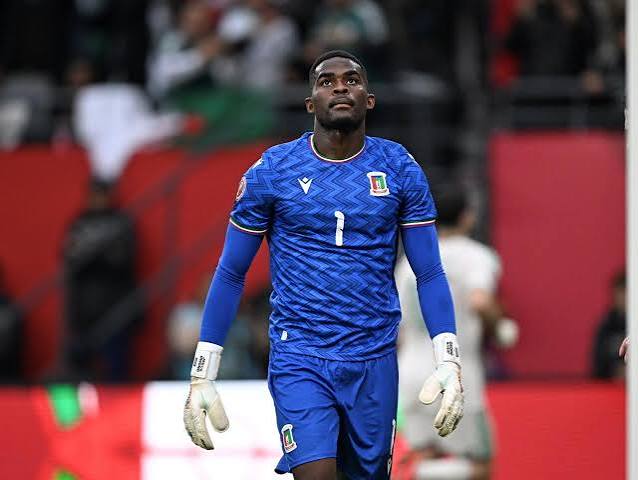
Gerard Pique has criticised Owono’s 12-match ban after a fatal collision with Tenerife striker Jesus de Miguel, calling the punishment unfair
MADRID, November 17, 2026: Former Barcelona defender and FC Andorra majority shareholder Gerard Pique has criticised the 12-match suspension handed to goalkeeper Jesus Owono following a fatal on-field collision with Tenerife striker Jesus de Miguel, describing the punishment as unfair.
Also read:FG Introduces VPASS to Improve Air Travel Experience

Pique argued that the Spanish Football Federation (RFEF) should punish players based on their actions rather than the consequences of incidents, particularly when those consequences involve tragic and unintended outcomes.
Owono, a 25-year-old Equatorial Guinea international, was sent off during a Spanish second-division match between FC Andorra and Tenerife on November 2 after colliding heavily with De Miguel while attempting to clear the ball.
De Miguel, 30, was taken to hospital and placed in intensive care but died the following day, leaving both clubs and the wider football community in mourning.
The RFEF disciplinary committee subsequently handed Owono a 12-match suspension, the maximum punishment for the offence under Article 102 of its disciplinary code.
In its ruling, the committee relied on the referee’s report, which described Owono as striking De Miguel in the chest with his raised leg and using excessive force while the ball was in play. It said the seriousness of the action and the circumstances justified the maximum sanction.
Speaking in a video posted on TikTok late on Monday, Pique said the punishment placed the goalkeeper in an unfair position by holding him responsible for the fatal outcome.
“What it does is blame Jesus for consequences which were not his fault,” Pique said.
“I think the punishment should be for the action, not for the consequences,” he added.
Pique compared the case with another incident involving Albacete player Jose Corpas, who received a three-match suspension after accidentally kicking Sabadell’s Quadri Liameed in the head. Liameed recovered from the incident.
The FC Andorra shareholder questioned the difference in the disciplinary outcomes, arguing that the punishment should reflect the nature of the offence rather than the eventual consequences.
He also described the collision involving Owono and De Miguel as an accident that was difficult to explain.
Owono has previously expressed deep sorrow over De Miguel’s death, describing the period as the hardest days of his life.
In a statement released by FC Andorra, the goalkeeper said he was struggling to process what had happened and expressed sympathy for De Miguel’s family, friends and teammates.
FC Andorra coach Carles Manso has also said Owono would decide whether and when he was ready to return to football following the tragedy.
Pique acknowledged that the goalkeeper might need more time away from the game than the suspension itself requires.
“Jesus will need more than 12 games in order to be available and compete,” he said.
“No suspension will bring Demi back to us,” Pique added, referring to De Miguel by his popular nickname.
Meanwhile, Spanish police have opened an investigation into the circumstances surrounding De Miguel’s death under judicial supervision. The investigation follows the standard procedure for deaths resulting from unnatural causes.
Also read:FG Introduces VPASS to Improve Air Travel Experience
The RFEF’s disciplinary decision and Pique’s criticism have brought renewed attention to the difficult question of how football authorities should assess serious on-field incidents when an accidental collision leads to a fatal outcome.


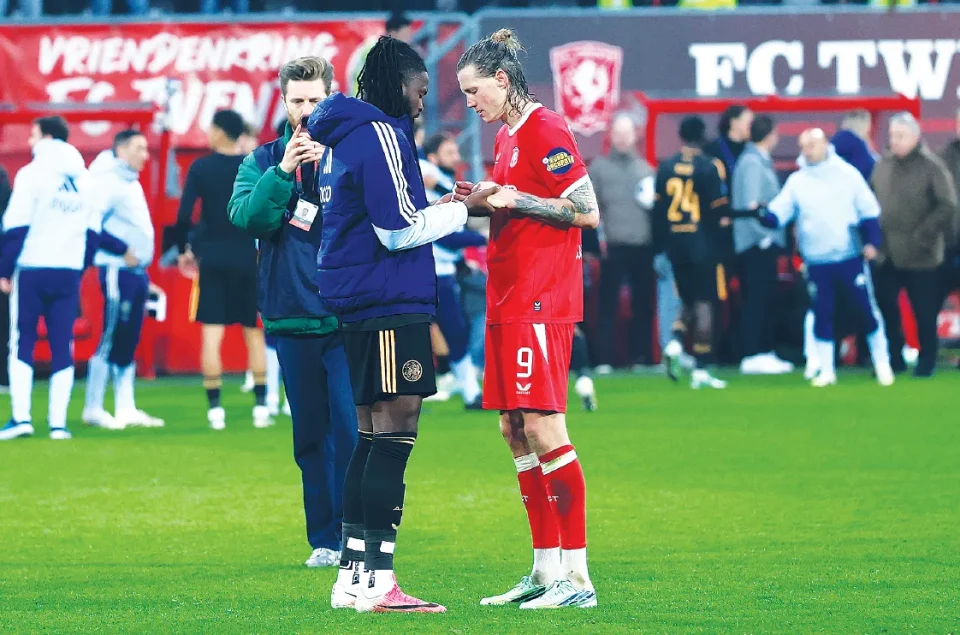
Tolu Arokodare explains why he prayed with an opposing player after their match, saying they wanted to thank God for goals and an injury-free game
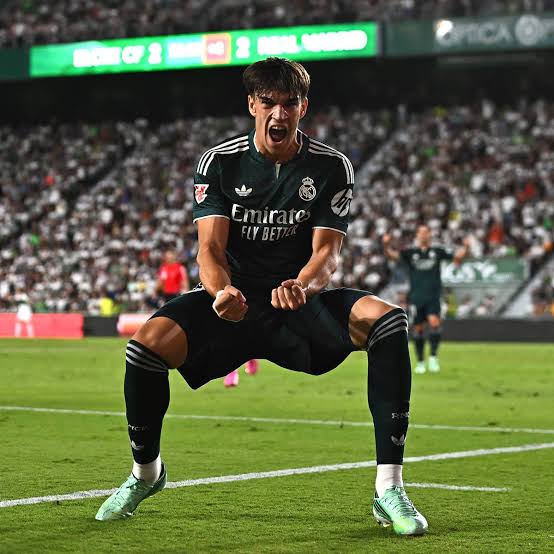
Carlos Espí explains why he chose Real Madrid over Premier League clubs, describing the Spanish giants’ offer as impossible to reject

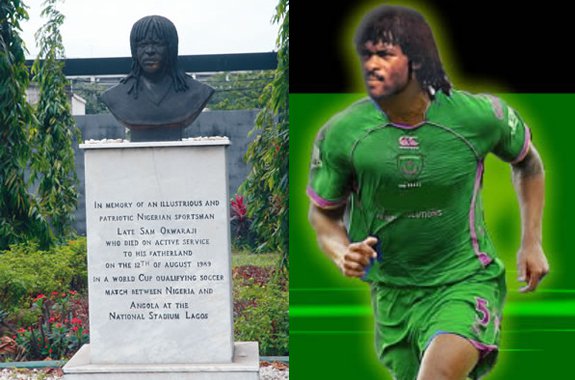
Memoir Cup playoffs bring secondary school football teams to Lagos, Owerri and Calabar as the Samuel Okwaraji Foundation advances its national competition
-
Politics3 years ago
13 Ondo Assembly Members Disown Endorsement of Aiyedatiwa
-
Politics3 years ago
APC Group, Ondo Govt, Quarrel Over Money for Endorsement
-

 Trending News6 years ago
Stop unsavoury, inciting statements – DSS warns
-

 Others5 years ago
Adron Homes Celebrates 10 Years Of Housing Excellence
-

 Humanity5 years ago
President Buhari Commiserates With Ambassador Maureen Tamuno Over The Loss Of Her Father
-

 Others7 years ago
EX- CUSTOMS BOSS, IBRAHIM MERA’S DWINDLING FAME
-

 Business3 years ago
Bigi Carbonated Soft Drinks Treats 40 Consumers to an Epic Easter Movie Hangout
-

 Business2 years ago
Wema Bank Shines at Global SME Finance Forum Conference Awards 2024 …Awarded: • SME Financier of the Year (Africa) • Platinum Award for Best Financier for Women Entrepreneurs (Africa)