
Business
Nigerian Breweries Celebrates 80 Years With N80m Reward

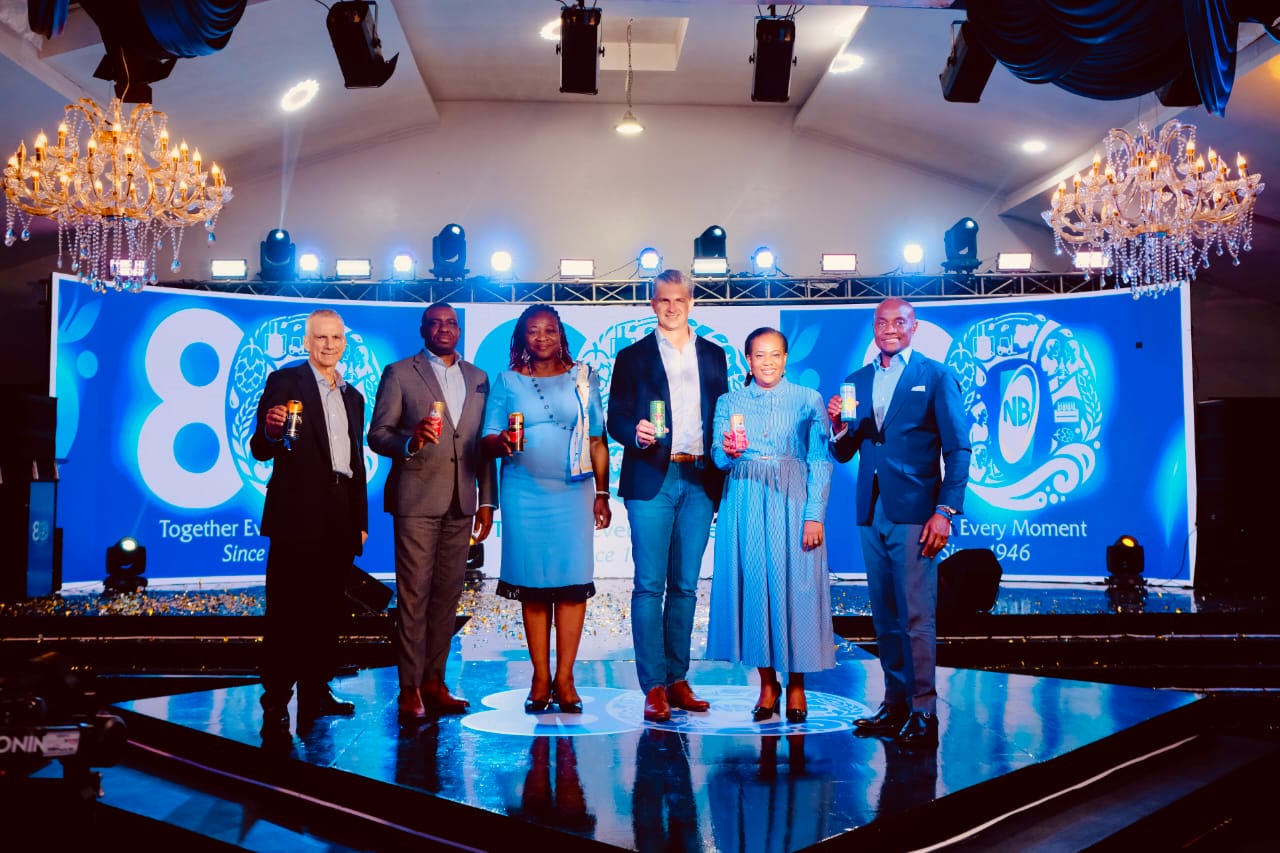
Nigerian Breweries celebrates its 80th anniversary with an N80m consumer reward initiative and the unveiling of Legendary Christmas 2026
Nigerian Breweries Plc has marked its 80th anniversary with an N80 million consumer reward initiative and the unveiling of its Legendary Christmas 2026 programme, combining a celebration of the company’s eight-decade history with plans for nationwide entertainment and continued investment in Nigeria’s economy.
Also read:Kunle Areogun Emerges in Fountain of Life Succession Crisis

The celebration, held at a media soirée in Lagos on Monday, 17 November 2026, brought together business leaders, media personalities, cultural figures and corporate partners under the theme, ‘Together Every Moment’.
The event provided an opportunity for the country’s leading brewing company to reflect on its journey since 1946, recognise the consumers and business partners who have contributed to its growth, and outline its plans for the future.
At the centre of the anniversary activities is the NB @80 consumer storytelling campaign, through which the company is rewarding 80 selected participants with N1 million each, bringing the total prize commitment to N80 million.
The campaign invited Nigerians to share photographs, videos and personal memories connected to the company’s brands and experiences.
According to Nigerian Breweries, the initiative is designed to recognise the role its products have played in weddings, friendships, family gatherings and other memorable occasions across generations.
Speaking at the celebration, Managing Director and Chief Executive Officer of Nigerian Breweries Plc, Thibaut Boidin, highlighted the company’s contribution to Nigeria’s economic development, citing findings from its Socio-Economic Impact Study.
The study estimated that the company’s activities supported approximately N1.6 trillion in contributions to Nigeria’s Gross Domestic Product (GDP) in 2025.
It also estimated that Nigerian Breweries’ operations and wider value chain supported about 310,700 jobs, while its procurement of locally produced sorghum sustained approximately 55,400 farming households.
“For me, these figures speak to something larger than our financial performance. They show the extent to which Nigerian Breweries is connected to the economic lives of people and businesses across Nigeria,” Boidin said.
He explained that the company’s economic influence extends beyond its brewing facilities to farmers, manufacturers, suppliers, distributors, retailers and hospitality businesses that depend on its supply chain.
Boidin also acknowledged the economic challenges that have shaped the company’s operations over the years, noting that local sourcing remains an important part of its strategy.
He highlighted the company’s procurement of sorghum and its exploration of opportunities for barley cultivation in Nigeria as part of efforts to strengthen local agricultural participation and reduce dependence on imported raw materials.
Reaffirming the company’s long-term commitment to the country, the managing director identified innovation, talent development, responsible business practices and sustained investment as priorities for its next phase of growth.
“We have inherited the work of those who came before us. And now, it is our responsibility to build on that foundation and ensure that those who come after us inherit something even stronger,” he said.
The anniversary celebration also featured displays and brand experiences tracing Nigerian Breweries’ history, including the production of its first bottle of Star Lager Beer in 1949.
Guests were treated to musical performances and interactive installations highlighting the company’s evolution and its relationship with Nigerian consumers over eight decades.
Beyond the anniversary activities, the company used the occasion to introduce its Legendary Christmas 2026 programme, a nationwide festive campaign combining concerts, street celebrations, cultural activities and brand experiences.
Presenting the programme, Sampson Oloche, Portfolio Manager for Beyond Beer and Flavoured, said the initiative was designed to provide different entertainment experiences for consumers across several locations.
He also announced plans for a digital platform, which is being developed into an application to help consumers discover participating events and access tickets.
“What we have tried to do is create something for different consumers in different places. There is something for everybody. In the coming weeks, we will announce a platform, which we are building into an app, where people can explore these activations and access tickets,” Oloche said.
The Legendary Christmas 2026 programme will feature festive street light-ups in Lagos, Abuja, Ibadan, Enugu, Aba and Port Harcourt.
The calendar will also include Goldberg’s Gold Standard concerts in Benin and Ibadan, alongside Life Continental Lager concert experiences in Onitsha and Aba.
Other major entertainment activities will include Nigerian Breweries’ participation in Wizkid Live in Abuja and Davido Live at the National Theatre.
Heineken will also host festive experiences in Port Harcourt, while Amstel Malta Festiville will bring additional activities to Enugu, Aba and Awka.
The programme will further feature Beer Villages and other brand activations intended to provide opportunities for consumers to participate in festive celebrations throughout the season.
Through the initiative, Nigerian Breweries aims to strengthen its relationship with Nigeria’s entertainment and hospitality industries while creating opportunities for performers, creative professionals, event organisers and local businesses.
The company’s 80th anniversary comes at a significant point in its history, as it prepares to enter its ninth decade amid changing consumer preferences, economic pressures and increasing competition within Nigeria’s beverage industry.
Founded in 1946, Nigerian Breweries has grown from its early brewing operations into a major player in the country’s manufacturing and consumer goods sector.
Its latest anniversary activities combine recognition of that history with a broader message about economic participation, local sourcing and investment in Nigeria’s future.
Also read:Kunle Areogun Emerges in Fountain of Life Succession Crisis
With the N80 million consumer reward initiative and the nationwide Legendary Christmas programme, the company is seeking to make its anniversary more than a corporate milestone by involving consumers and communities in the celebrations.



Oando Plc, under the leadership of its Group Chief Executive, Jubril Adewale Tinubu, has recorded a significant improvement in its operating performance, returning to profitability at the operating level as revenue rose to ₦2.78 trillion in the first nine months of 2026.
The indigenous energy company reported revenue of ₦2.776 trillion for the nine months ended September 30, 2026, representing a nine per cent increase from the ₦2.541 trillion recorded during the corresponding period of 2025.
The latest unaudited results, released on October 30, also showed a substantial recovery in gross profit, which increased to ₦174.5 billion from ₦29.8 billion in the previous year.
One of the most notable developments was the company’s return to operating profit. Oando recorded an operating profit of ₦159.7 billion, reversing the operating loss of ₦109.7 billion reported in the corresponding period of 2025.
The improvement reflects stronger performance across its operations, supported by higher production volumes, improved realised prices and the absence of a significant fair value loss recorded in the previous year.
The figures provide an indication of the progress made by the company as it continues to pursue its expansion and operational efficiency objectives under Tinubu’s leadership.
Oando’s production performance also improved during the reporting period. Average daily production increased by 14 per cent to 42,985 barrels of oil equivalent per day, compared with 37,614 barrels in the corresponding period of 2025.
The growth was supported by higher output from crude oil, natural gas and natural gas liquids operations.
The company also reported a 22 per cent reduction in production operating costs, which fell to $15.39 per barrel of oil equivalent from $19.67 recorded a year earlier.
Facility uptime improved to 96.1 per cent from 85 per cent, indicating greater reliability across its production infrastructure.
These improvements reflect the impact of drilling activities, workover programmes and efforts to restore previously constrained facilities. Oando said the measures helped increase production and improve operational efficiency across its enlarged asset base.
During the period, the company generated ₦285 billion in cash from operations and invested ₦110.7 billion in capital expenditure, with a significant portion directed towards drilling activities across its operated OML 60–63 assets.
Its seven-well drilling programme for 2026 also progressed, with two new wells completed and brought on stream, while workovers and additional drilling activities continued.
Oando further reported an improvement in its debt position, with total borrowings declining by 20 per cent from ₦2.70 trillion at the end of December 2025 to ₦2.16 trillion as of September 30, 2026.
Net debt also fell by ₦286 billion to ₦1.99 trillion during the nine-month period.
The reduction forms part of the company’s broader capital management strategy, which is aimed at lowering acquisition-related debt, reducing financing costs and strengthening its balance sheet.
Despite the stronger operating performance, however, Oando’s profit after tax declined by 47 per cent to ₦106.5 billion, compared with ₦201.3 billion recorded in the corresponding period of 2025.
The company attributed the decline largely to the swing from net finance income in the previous year to net finance costs in 2026, alongside the continuing burden of acquisition-related debt.
Its results showed finance costs of ₦244.2 billion during the period, while the company also recognised a tax credit of ₦181.1 billion arising from the reversal of previously recognised tax provisions.
The figures underline the distinction between Oando’s improved operating performance and the financial pressure it continues to face from its debt obligations.
Nevertheless, the return to operating profitability, higher production, lower unit operating costs and declining borrowings represent important developments in the company’s financial and operational position.
For Tinubu, who has remained central to Oando’s corporate transformation, the latest results provide further evidence of the company’s efforts to consolidate its position in Nigeria’s energy industry and expand its presence across Africa.
The company has also outlined plans to continue its seven-well development programme, sustain production reliability and strengthen its financial position through an equity-raising initiative.
With its operating performance improving and debt reduction remaining a priority, Oando’s next challenge will be to translate its production and revenue growth into stronger bottom-line earnings while managing the cost of financing its expansion.
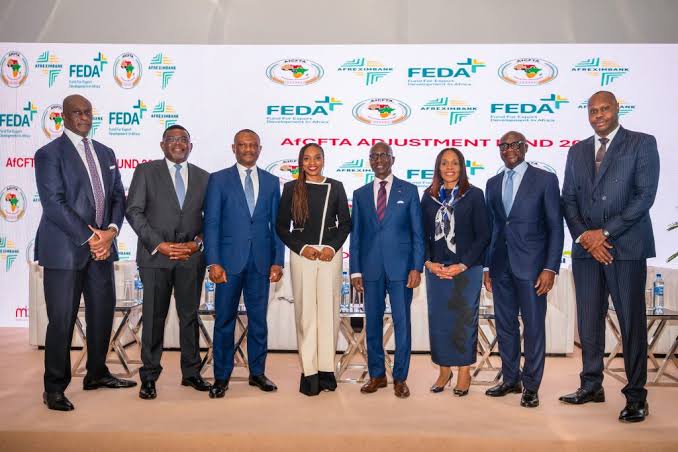
Ehi Braimah urges Afreximbank and AfDB to strengthen Africa’s economic integration through trade finance, infrastructure and industrial investment
Business
Can African Engineers Compete Globally? ChipMango Is Creating Opportunities in the semiconductor Industry

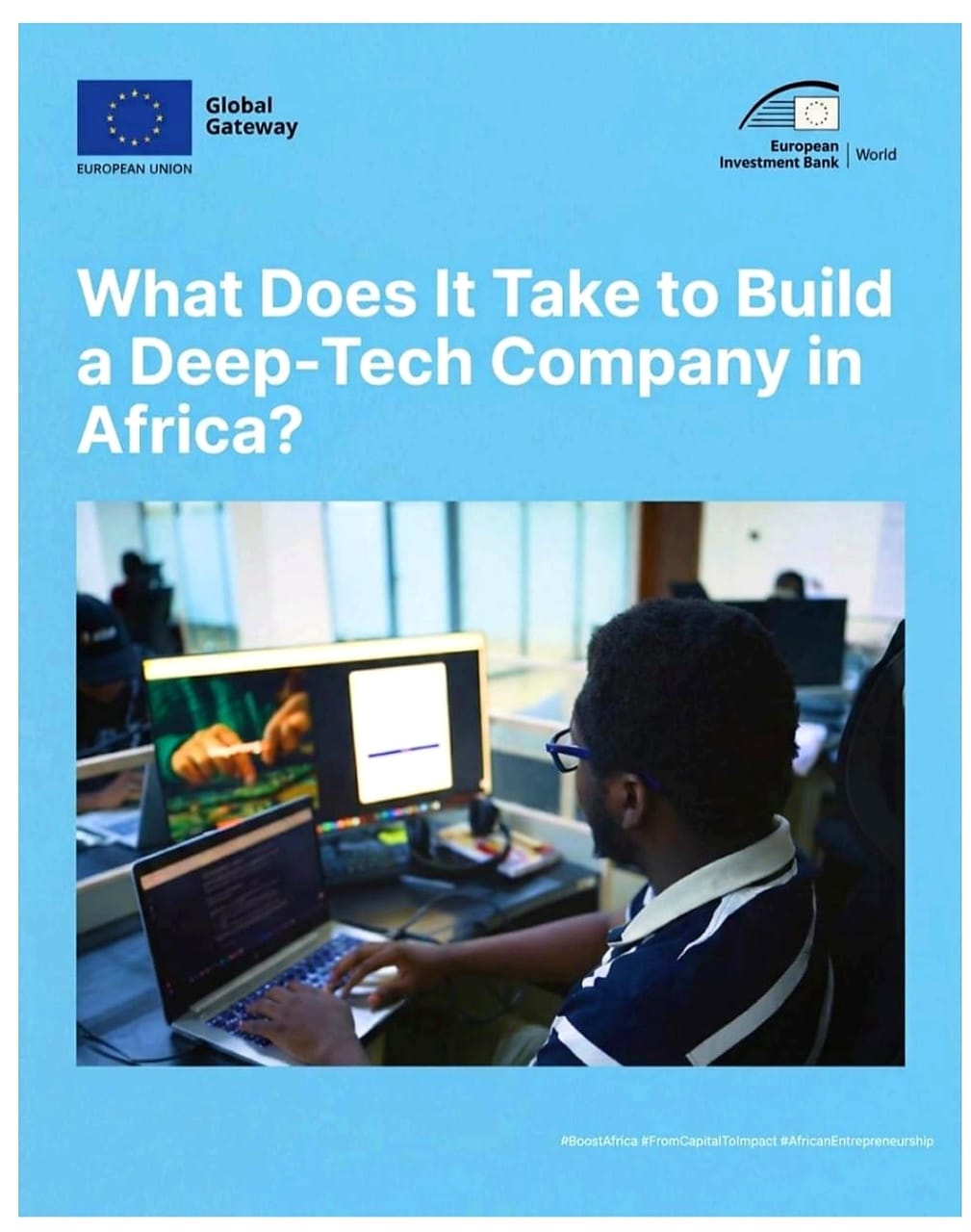
The semiconductor industry requires highly specialised engineering knowledge.
For African engineers, gaining access to professional tools, industry experience and international opportunities can open
important doors.
ChipMango is working at the intersection of talent development and commercial engineering, creating pathways for African expertise to contribute to a global industry.
The growth of businesses like ChipMango also highlights the importance of investment in Africa’s innovation ecosystem. Through Boost Africa, a joint initiative of the EIB and African Development Bank, supported by the European Union, the European Investment Bank helps mobilise financing through venture capital funds for innovative African businesses. Watch the video to hear the story behind ChipMango.
Watch the video:
-
Politics3 years ago
13 Ondo Assembly Members Disown Endorsement of Aiyedatiwa
-
Politics3 years ago
APC Group, Ondo Govt, Quarrel Over Money for Endorsement
-

 Trending News6 years ago
Stop unsavoury, inciting statements – DSS warns
-

 Others5 years ago
Adron Homes Celebrates 10 Years Of Housing Excellence
-

 Humanity5 years ago
President Buhari Commiserates With Ambassador Maureen Tamuno Over The Loss Of Her Father
-

 Others7 years ago
EX- CUSTOMS BOSS, IBRAHIM MERA’S DWINDLING FAME
-

 Business3 years ago
Bigi Carbonated Soft Drinks Treats 40 Consumers to an Epic Easter Movie Hangout
-

 Business2 years ago
Wema Bank Shines at Global SME Finance Forum Conference Awards 2024 …Awarded: • SME Financier of the Year (Africa) • Platinum Award for Best Financier for Women Entrepreneurs (Africa)