
Economy
Tegbe Explains Why Nigeria’s Electricity Supply Remains Poor

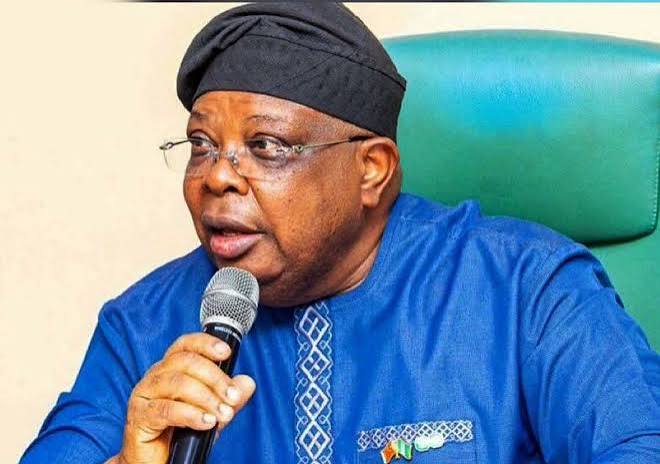
Joseph Tegbe explains why Nigeria’s poor electricity supply persists despite investments, citing infrastructure decay, poor planning and power sector debts
Minister of Power Joseph Tegbe has attributed Nigeria’s persistent electricity supply challenges to decades of infrastructure deterioration, poor investment decisions and inadequate planning, insisting that the problems cannot be resolved within a few years.
Also read:Tinubu Makes Strong Lagos Appeal Ahead of 2027 Elections

Tegbe explained that the country’s electricity crisis was not primarily caused by insufficient power generation but by weaknesses in the infrastructure required to transmit and distribute electricity to consumers.
Speaking during an interview on ARISE News on Monday, the minister said the scale of deterioration across the power sector was far greater than initially anticipated, making rapid improvements difficult.
He stressed that the challenges accumulated over several decades and would require sustained investment, proper planning and prioritisation to address.
“The bulk of the challenges is not in generation.
“I’ll tell you that, look, infrastructure decay is enormous. These things have happened over 50 years. Don’t expect us to fix it in two years,” Tegbe said.
The minister also criticised previous administrations for investing in electricity projects without adequately considering how such projects would contribute to the overall efficiency of the power network.
According to him, some investments were directed towards infrastructure that did not sufficiently address the sector’s most pressing needs, resulting in limited improvements in electricity delivery.
“From a technical point of view, I will tell you the biggest issue is that we’ve been throwing money at the wrong things. We have not worked prioritising things in the past,” he said.
Tegbe further alleged that political considerations influenced some electricity infrastructure decisions under previous governments, rather than technical requirements and the need to improve supply.
He disclosed that the Ministry of Power was currently reviewing existing projects to determine which investments should receive priority, particularly those capable of delivering measurable improvements to consumers.
The review, he explained, would assess how projects connect across the electricity value chain and identify infrastructure gaps that continue to prevent generated power from reaching households and businesses efficiently.
Beyond infrastructure challenges, Tegbe identified outstanding debts owed to power generation companies as another major obstacle affecting the electricity sector.
He said the Federal Government had negotiated the debt burden down from ₦6 trillion to ₦3.3 trillion, with ₦1.23 trillion already paid as part of efforts to address outstanding obligations.
The minister said the government was considering different payment arrangements to settle the remaining debts, expressing optimism that the outstanding balance would be cleared by 2027.
Tegbe maintained that improving electricity supply would require more than increasing generation capacity, stressing the need to rehabilitate transmission and distribution infrastructure, improve investment decisions and address financial challenges across the sector.
Also read:Tinubu Makes Strong Lagos Appeal Ahead of 2027 Elections
His remarks come amid continued complaints from households, businesses and manufacturers over unreliable electricity supply, rising operating costs and the growing dependence on alternative sources of power, including petrol and diesel generators.



Nigeria passport production is set to reach six million booklets annually by May 2027, with plans to expand capacity and serve the ECOWAS market.
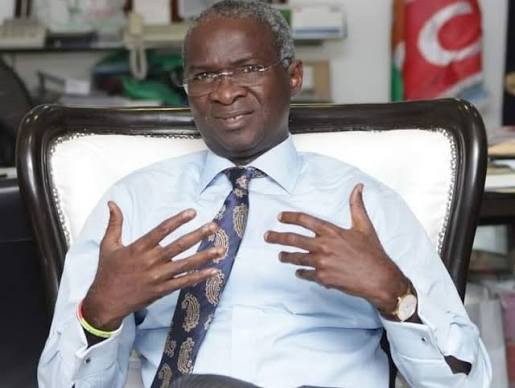
Fashola links Nigeria’s cost-of-living crisis to global conflicts, while defending Tinubu’s economic policies and acknowledging gaps in relief
FCCPC fuel price monitoring intensifies as Tunji Bello urges Nigerian refiners and marketers to reflect falling crude prices in petrol costs
-
Politics3 years ago
13 Ondo Assembly Members Disown Endorsement of Aiyedatiwa
-
Politics3 years ago
APC Group, Ondo Govt, Quarrel Over Money for Endorsement
-

 Trending News6 years ago
Stop unsavoury, inciting statements – DSS warns
-

 Others5 years ago
Adron Homes Celebrates 10 Years Of Housing Excellence
-

 Humanity5 years ago
President Buhari Commiserates With Ambassador Maureen Tamuno Over The Loss Of Her Father
-

 Others7 years ago
EX- CUSTOMS BOSS, IBRAHIM MERA’S DWINDLING FAME
-

 Business3 years ago
Bigi Carbonated Soft Drinks Treats 40 Consumers to an Epic Easter Movie Hangout
-

 Business2 years ago
Wema Bank Shines at Global SME Finance Forum Conference Awards 2024 …Awarded: • SME Financier of the Year (Africa) • Platinum Award for Best Financier for Women Entrepreneurs (Africa)