
Business & Economy
Nigeria’s inflation falls to 14.06% in October, NBS reports

Nigeria’s inflation rate fell to 14.06% in October 2026, while food inflation eased to 19.13%, according to the NBS
Nigeria’s headline inflation rate declined to 14.06 per cent in October 2026 from 14.63 per cent in September, according to the National Bureau of Statistics (NBS), extending the country’s recent disinflation trend even as the pace of monthly price increases accelerated.
Also read:Microsoft Struggles to Restore Outlook After Global Outage

The NBS disclosed this on Monday, November 16, in its latest Consumer Price Index (CPI) report.
The figures showed that food inflation also eased, falling to 19.13 per cent in October from 19.59 per cent in September.
The October headline figure represents a decline of 0.57 percentage points from September.
It is also lower than the 18.97 per cent recorded in October 2025, representing a reduction of 4.91 percentage points over the 12-month period.
However, the latest figures present a mixed picture when examined on a month-on-month basis.
According to the NBS, headline inflation stood at 0.43 per cent in October, compared with 0.06 per cent in September.
This means that the average price level increased at a faster pace during October than it did in the preceding month.
The distinction is important. A decline in year-on-year inflation means prices are rising more slowly compared with the same period last year. It does not necessarily mean that goods and services have become cheaper.
The October report therefore suggests that while the overall annual rate of inflation is moderating, households may still face fresh increases in the prices of essential goods and services.
Food inflation remains a particularly important measure for Nigerian households because food accounts for a substantial share of everyday spending, especially among lower-income families.
Although the annual food inflation rate dropped to 19.13 per cent, it remains considerably higher than the headline rate of 14.06 per cent. This indicates that food prices continue to exert significant pressure on household budgets despite the recent moderation.
The September figures had already revealed the uneven nature of the inflation slowdown. At the time, headline inflation fell to 14.63 per cent, but food inflation remained at 19.59 per cent, while core inflation, which excludes farm produce and energy, stood at 12.95 per cent.
The October figures will therefore be closely watched for evidence of whether the easing trend is becoming more broad-based or remains vulnerable to renewed price increases.
Nigeria’s inflation trajectory has been a major concern for policymakers and households following years of elevated food, transport, energy and housing costs.
In September, Reuters reported that despite the decline in headline inflation, persistent high food and living costs continued to weigh on households.
The report also noted that the Central Bank of Nigeria had reduced its benchmark interest rate to 23 per cent after earlier monetary tightening.
The latest moderation could offer some relief to policymakers seeking to stabilise the economy, but the faster month-on-month increase suggests that the cost-of-living challenge remains unresolved.
For consumers, the real test will be whether the slowdown in annual inflation translates into more stable prices in markets, shops and transport services in the coming months.
The October report also provides a fresh measure of the impact of government economic policies and broader market conditions on the cost of living.
Also read:Microsoft Struggles to Restore Outlook After Global Outage
However, sustained improvement will depend on whether food supply, transport costs, exchange-rate stability and other major price drivers continue to move in a favourable direction.


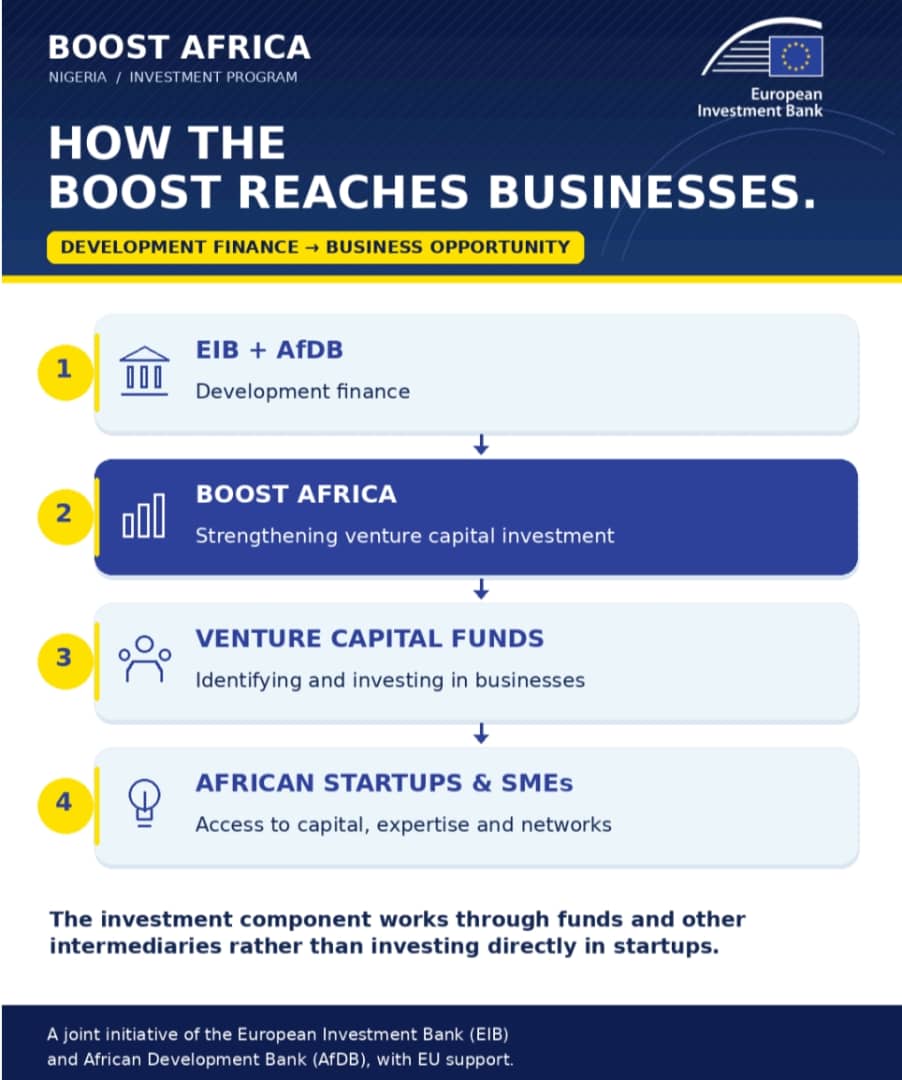
Boost Africa connects development finance with African businesses through venture capital funds backed by the EIB, AfDB and European Union


The Nigerian Computer Society and Green Lunar Nigeria are strengthening ties to promote digital innovation, professional development and technology growth

Tinubu defends fresh loans to fund infrastructure and achieve a $1tn economy by 2030 as the NLC demands accountability over Nigeria’s debt
-
Politics3 years ago
13 Ondo Assembly Members Disown Endorsement of Aiyedatiwa
-
Politics3 years ago
APC Group, Ondo Govt, Quarrel Over Money for Endorsement
-

 Trending News6 years ago
Stop unsavoury, inciting statements – DSS warns
-

 Others5 years ago
Adron Homes Celebrates 10 Years Of Housing Excellence
-

 Humanity5 years ago
President Buhari Commiserates With Ambassador Maureen Tamuno Over The Loss Of Her Father
-

 Others7 years ago
EX- CUSTOMS BOSS, IBRAHIM MERA’S DWINDLING FAME
-

 Business3 years ago
Bigi Carbonated Soft Drinks Treats 40 Consumers to an Epic Easter Movie Hangout
-

 Business2 years ago
Wema Bank Shines at Global SME Finance Forum Conference Awards 2024 …Awarded: • SME Financier of the Year (Africa) • Platinum Award for Best Financier for Women Entrepreneurs (Africa)