
News
Moji Makanjuola Urges Responsible Communication for Unity

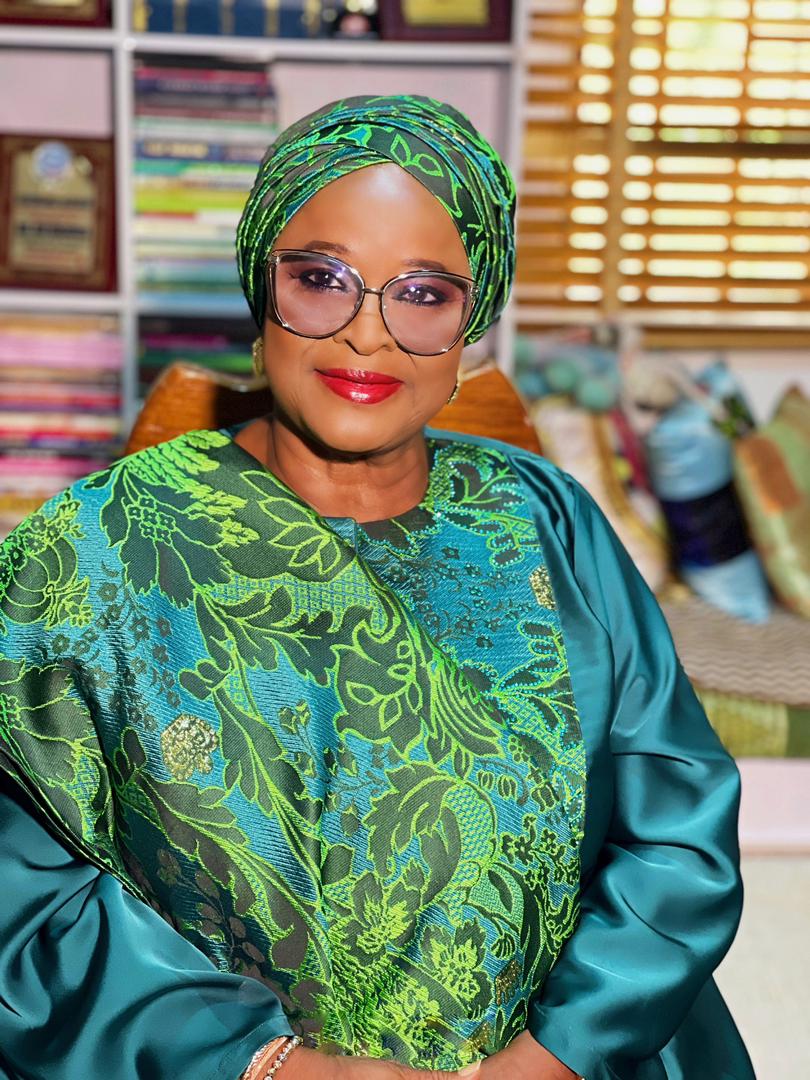
Moji Makanjuola urges Nigerians to embrace responsible communication and reject hate messages to promote national unity and sustainable development
Veteran Nigerian broadcaster and Chairman of the Nigeria Jollof Rice Festival, Moji Makanjuola, has called on Nigerians to embrace responsible communication as a tool for national development, warning against the spread of hate messages capable of deepening divisions across the country.
Also read:FCCPC Demands Fair Fuel Price Relief as Crude Falls

Makanjuola made the appeal during a discussion on the Nigerian Television Authority’s (NTA) breakfast programme, Good Morning Nigeria, on Wednesday, November 11, 2026, where she shared her perspectives on the importance of ethical communication and the responsibility of individuals using public communication platforms.
The ace broadcaster stressed that communication should serve as a bridge between people, encourage mutual understanding and contribute to national progress rather than become an instrument for hostility, misinformation and social division.
Her intervention comes as Nigeria prepares to host the 2026 World Public Relations Forum (WPRF), an international gathering expected to bring together public relations practitioners, communication experts, policymakers, academics and business leaders from different parts of the world.
The forum, scheduled to hold in Abuja from November 15 to 21, will focus on the theme, “Responsible Communication: The Voice of the World.”
The gathering is particularly significant because communication has become increasingly influential in shaping public opinion, political conversations and relationships among communities.
Social media platforms, online publications, radio and television have expanded opportunities for Nigerians to express opinions and participate in national conversations. However, the speed at which information circulates has also increased concerns about misinformation, inflammatory statements, hate speech and content capable of provoking hostility.
Against this background, Makanjuola’s message highlights the need for greater responsibility among journalists, public relations practitioners, content creators and ordinary social media users.
Responsible communication, in this context, goes beyond the ability to share information. It also involves verifying facts, respecting differing opinions, avoiding harmful language and considering the wider consequences of public statements.
The Nigerian Institute of Public Relations (NIPR), which is hosting the forthcoming World Public Relations Forum alongside the Global Alliance for Public Relations and Communication Management, has similarly identified ethical communication as an important foundation for national and international development.
NIPR President, Dr Ike Neliaku, has previously warned about the consequences of poorly delivered communication, noting that it could threaten relationships within countries and between nations.
Speaking ahead of the forum, Neliaku said: “We have put together one week of great experience, great learning, great knowledge sharing, great networking.”
The 2026 forum will also examine the relationship between communication, good governance, public trust, social cohesion and sustainable development.
Organisers expect more than 3,000 delegates from 126 countries, making Nigeria’s hosting of the gathering a significant event for the country’s public relations industry.
President Bola Ahmed Tinubu, in his welcome message published on the forum’s official website, described credible communication as indispensable to building stronger institutions and more resilient societies.
For Makanjuola, the broader conversation presents an opportunity to remind Nigerians that the words shared across communication platforms can either strengthen relationships or undermine the foundations of national unity.
Her appeal also reinforces the importance of professional ethics in broadcasting and public communication, particularly at a time when digital platforms have made it easier for unverified information and divisive messages to reach large audiences.
Also read:FCCPC Demands Fair Fuel Price Relief as Crude Falls
Ultimately, the call for responsible communication places a shared responsibility on individuals, media organisations, public institutions and communication professionals to ensure that information contributes meaningfully to national development rather than fuels unnecessary divisions.



Kebbi government supports an IDP mother of triplets with relief materials as her newborn babies receive treatment for neonatal jaundice
Governor Monday Okpebholo promises Edo traders free initial shop allocation at renovated Oba Market to help businesses recover and resume trading
The US House has blocked a Hegseth impeachment bid over the Iran war and alleged military misconduct, sending the resolution to committee
-
Politics3 years ago
13 Ondo Assembly Members Disown Endorsement of Aiyedatiwa
-
Politics3 years ago
APC Group, Ondo Govt, Quarrel Over Money for Endorsement
-

 Trending News6 years ago
Stop unsavoury, inciting statements – DSS warns
-

 Others5 years ago
Adron Homes Celebrates 10 Years Of Housing Excellence
-

 Humanity5 years ago
President Buhari Commiserates With Ambassador Maureen Tamuno Over The Loss Of Her Father
-

 Others7 years ago
EX- CUSTOMS BOSS, IBRAHIM MERA’S DWINDLING FAME
-

 Business3 years ago
Bigi Carbonated Soft Drinks Treats 40 Consumers to an Epic Easter Movie Hangout
-

 Business2 years ago
Wema Bank Shines at Global SME Finance Forum Conference Awards 2024 …Awarded: • SME Financier of the Year (Africa) • Platinum Award for Best Financier for Women Entrepreneurs (Africa)