
Business
Africa’s Web3 Leaders Set for Decentralized Nigeria 2.0 in Lagos


Decentralized Nigeria 2.0 returns to Lagos on August 15, 2026, featuring Web3 discussions and the first-ever blockchain gala and awards night
Lagos is once again preparing to become the epicentre of Africa’s blockchain revolution as Decentralized Nigeria, the continent’s most talked-about Web3 conference is returning for its second edition, and this time, the organizers are raising the bar with an awards and gala Nite.
Also read: With Right Frameworks, Nigeria can be Web3 leader in Africa, beyond – Nova Phoenix, Co-Convener, decentralized Nigeria

Decentralized Nigeria 2.0 is scheduled for August 15, 2026 and will be held at the iconic MUSON Centre, Onikan, Lagos.
Beyond the conference itself, the 2026 edition introduces what could be the most addition yet, and that is the first major gala celebration of individuals, brands, and organizations in Nigeria’s fintech and crypto space.
Blockchain leaders, Web3 developers, policymakers, NFT creators, investors, the government, enthusiasts, and private sector executives are expected to converge in a gathering that many described as unlike anything they had seen on the continent.
Co-convened by two individuals who, in many ways, embody the transcontinental ambition of the project, Nova Phoenix, founder of LyfebloodDAO headquartered in New York and Rume Ophi, a Lagos-based blockchain educator, crypto market analyst, and former Executive Secretary of the Blockchain Association of Nigeria, the inaugural edition of Decentralized event positions Nigeria, the world’s second-largest country by cryptocurrency as a nation actively shaping the policy, infrastructure, and dimensions of the Web3 age, particularly in Africa.
The conversations spanned decentralized finance, tokenization of real-world assets, the role of blockchain in transparent governance, cross-border payment solutions and what it would take for stablecoins and decentralized exchanges to operate within Africa’s evolving regulatory frameworks.
2.0: Bigger, Bolder, and Built for History
The conference will once again bring together the full spectrum of Nigeria’s and Africa’s blockchain ecosystem with panels, keynote addresses, workshops, and networking sessions.
It will dig deeper into the themes that defined the first edition and push the conversation into territory that the community is only beginning to explore.
The Maiden Gala and Awards Night
In what organizers and industry watchers are already calling a landmark moment for the Nigerian digital assets ecosystem, Decentralized Nigeria 2.0 will introduce a Gala and Awards Night making it the first major gala ever held to formally celebrate the individuals and organizations that have built the fintech and Web3 space within the country. The organizers say it is a moment that is long overdue.
Nigeria’s Web3 ecosystem has, over the past several years, produced several key brands for the country and Africa. Even with the large leaps in the space, Nigeria has yet to fully embrace the excellence and provide the industry with moments of collective pride and public visibility.
This event will be the opportunity to have a dedicated, prestigious platform for every individual taking the lead in this space.
Nova Phoenix, co-convener of the event, describes the evolution from the first edition to the second as a natural and necessary progression. “Decentralized Nigeria which is part of the DCD network is a mission. The first edition was setting the foundation and gathering the community under one roof to put minds together. What we saw in Lagos was Africa speaking for itself in the language of Web3 and the world needed to witness that. Now with 2.0, we are not just repeating what worked, we are expanding what is possible.”
Rume Ophi, who has spent years at the frontlines of blockchain education and advocacy in Nigeria, is equally unequivocal about the importance of what the 2026 edition represents. “One of the things that has always struck me about Nigeria’s crypto and Web3 community is the sheer depth of talent and sacrifice that exists within it. People have built extraordinary things, often against enormous odds, most times through regulatory uncertainty, infrastructure gaps, and public skepticism, and done so with very little formal recognition. The Decentralized Nigeria Awards changes that. For the first time, we have a platform that says, in the most public and celebratory way possible, that this industry is real, that these contributions are valuable, and that excellence in fintech/Web3 will be honoured just as excellence in any other field is honoured. ”
When Nova Phoenix and Rume Ophi first announced the inaugural Decentralized Nigeria conference, they described their mission in terms that were equal parts visionary and grounded, that Africa’s Web3 revolution, they insisted, must be led by Africans.
Also read: Decentralized Nigeria Conference to ignite Africa’s Web3 revolution in Lagos
Not in opposition to the global blockchain community, but in genuine partnership with it, with full awareness of the continent’s unique socio-economic conditions, its particular regulatory challenges, its infrastructure gaps, and above all, its extraordinary human capital.


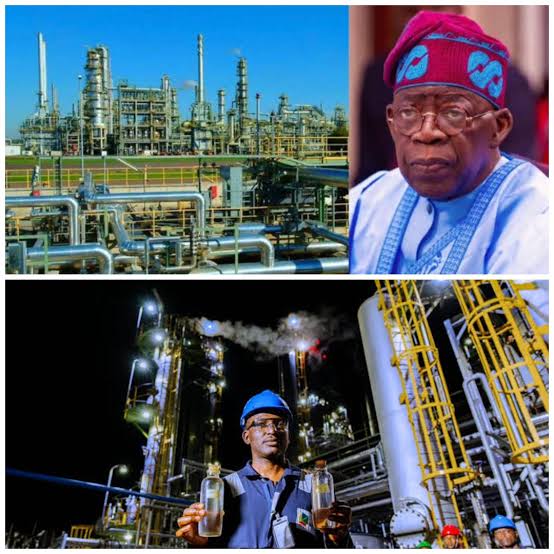
President Bola Tinubu has reaffirmed the Federal Government’s commitment to rehabilitating and repositioning Nigeria’s dormant national refineries, declaring that the facilities will not be allowed to become stranded assets.
Tinubu was represented by the Permanent Secretary of the Ministry of Petroleum Resources, Mrs Patience Oyekunle, at the 20th OTL Africa Downstream Energy Week in Lagos on Monday.
The President said the government is adopting a more rigorous and commercially sustainable approach to the rehabilitation of the Port Harcourt, Warri and Kaduna refineries.
“At the same time, the government remains committed to ensuring that existing national refining assets are not allowed to become stranded investments,” the statement said.
“We are pursuing a more rigorous, commercially sustainable approach to the rehabilitation and repositioning of our refineries, supported by technical assessment, stronger partnerships, and improved operational discipline.”
The objective, according to the administration, is for Nigeria to refine more of its crude oil, create greater domestic value and become a reliable supplier of energy to Africa.
The national refineries, managed by the Nigerian National Petroleum Company Limited (NNPC), have remained largely inactive for years despite significant spending on turnaround maintenance. The NNPC has signed a memorandum of understanding with Chinese firms as part of ongoing efforts to revive the facilities.
Tinubu also noted the contribution of private refining capacity, particularly the Dangote Refinery, which has reached its 650,000 barrels-per-day nameplate capacity, in strengthening Nigeria’s prospects of becoming a net exporter of refined petroleum products.


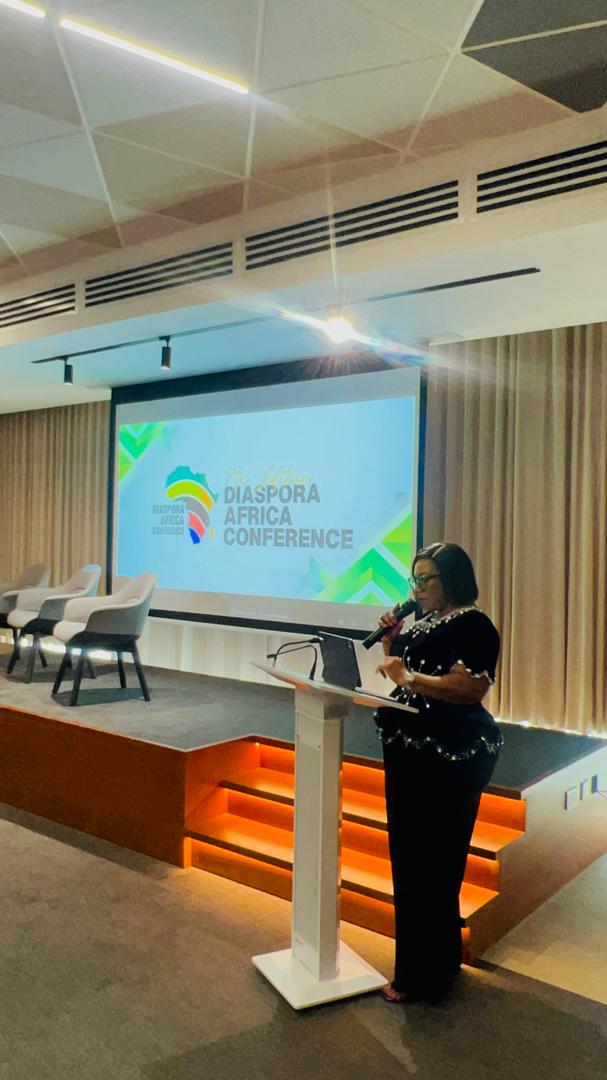
AICL GMD Maureen Tamuno calls for stronger diaspora investment in Africa through trust, transparency, skills transfer and sustainable partnerships
-
Politics3 years ago
13 Ondo Assembly Members Disown Endorsement of Aiyedatiwa
-
Politics3 years ago
APC Group, Ondo Govt, Quarrel Over Money for Endorsement
-

 Trending News5 years ago
Stop unsavoury, inciting statements – DSS warns
-

 Others5 years ago
Adron Homes Celebrates 10 Years Of Housing Excellence
-

 Humanity5 years ago
President Buhari Commiserates With Ambassador Maureen Tamuno Over The Loss Of Her Father
-

 Others7 years ago
EX- CUSTOMS BOSS, IBRAHIM MERA’S DWINDLING FAME
-

 Business3 years ago
Bigi Carbonated Soft Drinks Treats 40 Consumers to an Epic Easter Movie Hangout
-

 Business2 years ago
Wema Bank Shines at Global SME Finance Forum Conference Awards 2024 …Awarded: • SME Financier of the Year (Africa) • Platinum Award for Best Financier for Women Entrepreneurs (Africa)