
News
With Right Frameworks, Nigeria can be Web3 leader in Africa, beyond – Nova Phoenix, Co-Convener, decentralized Nigeria
Decentralized Nigeria Conference 2025 in Lagos will unite global Web3 leaders to ignite Africa’s digital finance and blockchain revolution.


Decentralized Nigeria Conference 2025 in Lagos will unite global Web3 leaders to ignite Africa’s digital finance and blockchain revolution

On July 5, 2025, at the prestigious Civic Centre in Lagos, Nigeria’s tech landscape will witness a defining moment as financial, blockchain and Web3 trailblazers from around the world converge for the Decentralized Nigeria Conference.
Also read: Decentralized Nigeria Conference to ignite Africa’s Web3 revolution in Lagos
With a bold theme “Igniting Africa’s Web3 Revolution” the event is positioned to catalyze the continent’s entry into the future of digital finance, decentralized governance, and next-generation internet technologies.
Spearheading this conference as a co-convener, is Nova Phoenix, the New York-based founder and CEO of LyfebloodDAO a decentralized autonomous organization integrating social media, NFT marketplaces, and decentralized finance tools.
Alongside Nigerian Web3 strategist Rume Ophi, Nova is co-convening the conference to spark a crucial conversation about Africa’s role in shaping the global Web3 economy.
In a chat with the media recently, Nova shares his personal journey into blockchain, his vision for Africa, and what participants can expect from this landmark event.
From Media to Mission: The Rise of Nova Phoenix
Nova Phoenix didn’t begin in blockchain. His career launched in the world of media, working as a television producer and host.
“I started in local television production, hosting my own entertainment show,” he recalls. That early exposure to storytelling, content creation, and audience engagement would become foundational to his approach to community-building in the digital space.
As he expanded into video and film production, Nova began to consider the broader implications of media, technology, and societal systems.
“That media foundation motivated me to start a social media company with a clear vision for global reach,” he says. “I saw the power of mass communication not just to entertain but to unite and build.”

This vision, combined with a growing interest in decentralized finance, led him to crypto in 2016. “I was watching the space grow and saw its potential to empower people,” he explains.
But it was the COVID-19 pandemic that catalyzed his full pivot. “That was the moment. I said, ‘You know what? I’m all in on Web3.’” And just like that, LyfebloodDAO was born.
At its core, LyfebloodDAO is more than just another Web3 startup. It’s an ecosystem a decentralized social platform that merges elements of Twitter, Facebook, an NFT marketplace, and a decentralized exchange (DEX). But beyond the tech stack, its mission is deeply human.
“We’re building a global community through our DAO token and a stablecoin,” Nova says. “But our focus is on quality-of-life programmes education, housing, business development, and technology support for founders. It’s about harnessing technology to uplift lives.”
Through LyfebloodDAO, Nova envisions a new kind of social infrastructure one powered not by centralized authorities but by individuals, communities, and smart contracts.
The Naija Connection
Nova’s ambition has always extended beyond the U.S. “I knew I wanted to go to Africa,” he says. “I felt like it would be a great opportunity to fast-track blockchain adoption.”
After attending global Web3 events in Dubai and Singapore, he reconnected with Rume Ophi a Nigerian Web3 advocate he’d known through LinkedIn.
“I said, ‘Hey, what’s going on in Africa?’ And Rume got back to me. At the time, there weren’t many events happening on the continent.”
That was all the motivation Nova needed.
“I said, ‘Let’s do this. Let’s organize something in Nigeria and then take it across Africa.’ And now, here we are — Decentralized Nigeria is happening.”
Why “Decentralized Nigeria”?
Nova is clear about the conference’s purpose: it’s not just a tech event it’s a movement. “The Decentralized Nigeria Conference is about exploring the full potential of Web3 in Nigeria and across Africa,” he explains.
“We want to bring together developers, entrepreneurs, creatives, and policy experts to see how decentralization can transform sectors like finance, governance, and the arts.”

The theme, Igniting Africa’s Web3 Revolution, signals urgency. “Africa has one of the youngest, most dynamic populations in the world,” Nova says. “The tools are here. The talent is here. The question is will we lead, or will we follow?”
What Is Web3, and Why Now?
For many Nigerians, the term Web3 still sounds esoteric. Nova breaks it down: “Web3 is the next generation of the internet, built on decentralized technologies like blockchain. It gives users more control over their data, identity, and financial transactions.”
In a country like Nigeria — where millions are unbanked, where governance challenges persist, and where creatives struggle with piracy and monetization Web3 could be a game-changer.
“It can enable transparent voting. It can give artists ownership of their work through NFTs. It can let people build wealth without relying on banks. That’s why it’s important now.”
Despite Nigeria’s early interest in cryptocurrency with the country ranking among the top in crypto usage globally the regulatory environment has been murky at best.
Nova believes that needs to change.
“The government’s first step should be to create clear regulations that allow crypto platforms and stablecoins to operate better,” he says.
“They need to see these technologies as tools for economic growth not threats.” He points to opportunities for improved taxation, digital trade, and infrastructure development. “With the right frameworks, Nigeria can be a Web3 leader in Africa maybe even the world.”
Decentralized Finance or DeFi holds particular promise in Nigeria, where traditional banking services often exclude rural populations or the informal economy.
“With DeFi, anyone with a smartphone and internet connection can access lending, borrowing, and savings tools,” Nova says. “It can close the financial inclusion gap, especially among youth and entrepreneurs.”
But adoption won’t happen in a vacuum. “We need education, awareness, and better digital infrastructure,” he adds. “And that’s part of what this conference aims to address.”
While the Decentralized Nigeria Conference will feature panels for developers and industry insiders, Nova emphasizes its inclusivity.
“This conference isn’t just for tech bros,” he says. “It’s for students, artists, small business owners, civil servants. We’ll have beginner workshops, creative sessions, and practical use case discussions.”
Sessions will cover everything from blockchain in agriculture to NFTs in entertainment, from digital ID systems to transparent voting technologies.

“We want people to walk away with knowledge they can use in their businesses, in their communities, in their lives.”
The conference is expected to host a diverse lineup of speakers from Africa, the U.S., Europe, and Asia. From blockchain developers to policymakers, investors to educators, the stage will be set for cross-pollination of ideas.
“This international collaboration is key,” Nova says. “It brings in global expertise and also showcases Nigeria’s homegrown talent.”
By putting Nigeria on the map as a serious player in Web3, Nova hopes to attract both capital and credibility to the country’s emerging tech scene.
Indeed, crypto scams are a serious concern in Nigeria and across the continent — a challenge Nova doesn’t shy away from. “We know trust is a big issue.
That’s why education is front and center at this conference,” he explains. “We’ll have sessions on crypto safety, responsible investing, and how to identify real projects versus scams.”
The Role of Nigerian Youth
Nova is particularly excited about the role young Nigerians can play in the Web3 revolution. “Nigerians are already creating some of the most exciting blockchain projects out there,” he says. “With the right support, they can shape the global narrative.”
He envisions a future where Nigerian-built dApps (decentralized apps) serve global users, where local developers build platforms for the world.
“This isn’t about catching up. It’s about leapfrogging. And young Nigerians are the key.”
When asked what advice he has for young Nigerians eyeing a future in blockchain, Nova is clear: “Start with the basics. Learn how blockchain works. Join communities. Attend events. Build something — even if it’s small.”
He adds, “You don’t need to be a coder. Web3 needs marketers, designers, lawyers, educators. Everyone has a role to play.”
And perhaps most importantly: “Be responsible. Be safe. And be bold.”
Information on ticketing and registration will be released via the official Decentralized Nigeria website and social media platforms. The organizers encourage early registration, particularly for students and young professionals, as space is limited.
“We’re planning for 1,000+ attendees,” Nova says. “But more than numbers, it’s about energy. We want people who are hungry to learn and ready to build.”

Looking ahead, Nova sees Nigeria not just participating in the Web3 economy — but leading it. “I want to see Nigeria become a regional blockchain hub,” he says. “A place where innovation thrives, where problems are solved with code and creativity.”
He envisions blockchain being used for everything from digital land registries to supply chain verification, from transparent elections to empowering women entrepreneurs.
“It’s not just about money. It’s about dignity. It’s about sovereignty. It’s about giving power back to the people.”
As Africa’s largest economy, Nigeria occupies a very vital position. The world is entering a decentralized era, and the question is no longer if but when the continent will fully join the revolution.
Thanks to pioneers like Nova Phoenix and events like the Decentralized Nigeria Conference, the answer might just be: now.
“The Web3 revolution is happening,” Nova says. “And young Nigerians have the talent and drive to lead it. Don’t wait. Be part of it. Help shape your digital future.”




Tinubu food prices are monitored through regular briefings, presidential aide Abiodun Essiet says, as Nigerians continue to face cost-of-living pressures
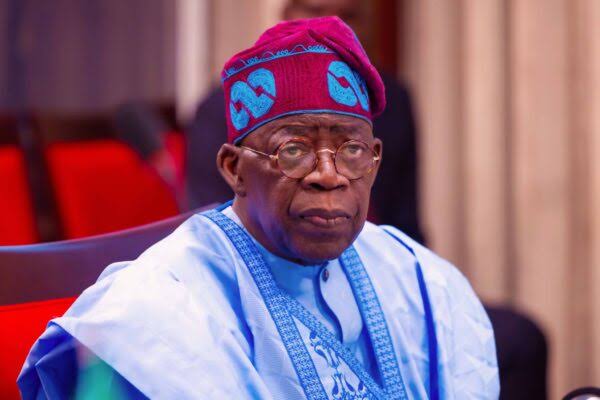
President Bola Tinubu is aware of the prices of everyday food items, including eggs and bread, and receives regular briefings on the economic challenges facing Nigerians, the Senior Special Assistant to the President on Community Engagement for the North-Central region, Dr Abiodun Essiet, has said.
Also read:FG Urges Investment in Youth, SMEs and Local Industries to Grow Economy
Essiet made the remarks while speaking to State House correspondents at the Presidential Villa in Abuja on Tuesday, dismissing suggestions that journalists were the only people who understood the hardship experienced by ordinary Nigerians.
She also serves as the President’s representative for the North Central Citizens’ Assembly.
“I don’t feel it’s only media people who understand what the people are facing. Some of the reality of what our people are facing is what we are communicating to Mr President,” she said.
Essiet added that the President and members of the Federal Executive Council were regularly informed about the cost of basic commodities and the challenges confronting households.
“I usually tell people, you think Mr President doesn’t know the price of egg or bread in the market? He does, because we brief him regularly, and so do members of the Federal Executive Council,” she said.
The presidential aide also highlighted infrastructure development as a key component of the administration’s agenda, citing public reactions during a visit to a section of the Mokwa-Bida road in Niger State.
According to her, residents turned out in large numbers during the visit because of longstanding concerns about the condition of the road and calls for its rehabilitation.
“Yes, infrastructure is the bedrock of any development. When we went to the Mokwa-Bida road, come and see the crowd, because that is the road that people have been calling for Mr President to address,” she said.
Essiet claimed that the road had last been awarded for construction 46 years ago and highlighted the dangers motorists and other road users faced while navigating the route.
“Do you know how many people have died trying to manoeuvre that road? Trailers have had accidents trying to manoeuvre that road,” she added.
She said Tinubu had directed that the road be reconstructed using reinforced concrete rather than conventional asphalt, with the aim of improving its durability.
“Mr President said they should award the contract and make sure that the contract will be reinforced concrete, not just asphalt,” Essiet stated.
Her comments come amid continued public concern over food affordability and the cost of living.
On October 19, Vice President Kashim Shettima expressed optimism that food prices would decline in the coming weeks as the administration responds to challenges affecting agriculture.
Shettima made the statement at a forum titled “Together till 2027: An Evening with Original City Boy”, organised by the City Boy Movement alongside the Relax-Tinubu-Is-Fixing-Nigeria movement, groups supporting the President’s re-election bid.
Also read:FG Urges Investment in Youth, SMEs and Local Industries to Grow Economy
Essiet was appointed Senior Special Assistant to the President on Community Engagement for the North-Central region in 2024.
-
Politics3 years ago
13 Ondo Assembly Members Disown Endorsement of Aiyedatiwa
-
Politics3 years ago
APC Group, Ondo Govt, Quarrel Over Money for Endorsement
-

 Trending News5 years ago
Stop unsavoury, inciting statements – DSS warns
-

 Others5 years ago
Adron Homes Celebrates 10 Years Of Housing Excellence
-

 Humanity5 years ago
President Buhari Commiserates With Ambassador Maureen Tamuno Over The Loss Of Her Father
-

 Others7 years ago
EX- CUSTOMS BOSS, IBRAHIM MERA’S DWINDLING FAME
-

 Business3 years ago
Bigi Carbonated Soft Drinks Treats 40 Consumers to an Epic Easter Movie Hangout
-

 Business2 years ago
Wema Bank Shines at Global SME Finance Forum Conference Awards 2024 …Awarded: • SME Financier of the Year (Africa) • Platinum Award for Best Financier for Women Entrepreneurs (Africa)