
News
Ondo Palace Issues Stern Warning Over Disrespect to Young Monarch


Ondo palace warning monarch as Okeluse kingdom cautions against disrespectful address of Oba Oloyede Adekoya Akinghare II

The palace of the Arujale-Ojime of Okeluse Kingdom in Ondo State has issued a stern warning to the general public against what it described as growing disrespect towards its traditional ruler, Oba Oloyede Adekoya Akinghare II, insisting that he must be addressed strictly by his full royal title.
Also read: Protesters march over Awujale throne in Ijebu Ode
The warning was contained in a statement released on Friday by Prince Adefemi Michael Olorunfemi, Chief of Staff to the monarch, amid concerns that some individuals have been addressing the 22-year-old king in a casual and demeaning manner.
Oba Oloyede Adekoya Akinghare II ascended the throne of his forefathers at the age of 16 while still a secondary school student, making him one of the youngest reigning monarchs in Yorubaland.
According to the palace, references to the monarch as “bro”, “blood” or similar informal expressions amount to disrespect and will no longer be tolerated.
Prince Olorunfemi stressed that the age of the monarch does not diminish the sacredness of the throne or the reverence accorded to it under Yoruba tradition.
He warned that continued disregard for proper royal protocol would attract firm and decisive action from the palace.
He added that the king’s calm disposition and tolerance should not be misconstrued as weakness or permission for misconduct, especially by individuals who claim cultural affinity with the Yoruba people.
The statement emphasised that, regardless of social status, age or position, all persons are obligated to show respect to the monarch, whom the palace described as Igbakeji awon orisa, a representative of the gods on earth.
The palace further noted that respect for the throne is inseparable from the preservation of Yoruba heritage, culture and identity.
Also read: Protesters march over Awujale throne in Ijebu Ode
Residents of Okeluse Kingdom and the wider public were urged to conduct themselves with decorum and uphold the dignity of the palace at all times, as respect for the monarch remains non-negotiable.



Reps seek federal relief for Edo tanker explosion victims, urging NEMA aid, market rehabilitation and urgent repairs to the Benin-Lagos Expressway.
The House of Representatives has called on the Federal Government to provide relief materials, financial assistance and rehabilitation support to victims of the deadly petrol tanker explosion at Oluku in Ovia North-East Local Government Area of Edo State.
Also read: Wike to Dumo Lulu-Briggs: Quit Rivers Governorship Race, Back Someone Else
The lawmakers also urged the government to repair dangerous sections of the Benin-Lagos Expressway around Oluku to reduce the risk of similar disasters.
The resolutions followed the adoption of a motion of urgent public importance moved by Omosede Igbinedion, a lawmaker representing a constituency in Edo State, during plenary on Wednesday, October 21.
The Edo tanker explosion occurred on Thursday, October 15, when a petrol tanker reportedly lost control and overturned near Oluku Market, spilling fuel that later ignited and spread to nearby businesses.
According to the motion, the fire caused fatalities and serious injuries while destroying shops, stalls, vehicles, goods and other property.
The damage also left traders and their families facing substantial financial losses and the loss of their livelihoods.
Presenting the motion, Igbinedion said the incident had caused widespread hardship, with some victims losing their savings and facing mounting financial difficulties.
She also raised concerns about reports of severe burns among survivors, some of whom reportedly required emergency treatment at the University of Benin Teaching Hospital and other medical facilities.
The lawmaker said the scale of the destruction required federal intervention to complement the Edo State Government’s response.
She commended Governor Monday Okpebholo for visiting the scene and affected victims, as well as pledging to rebuild the damaged market and support traders.
However, she argued that additional assistance was necessary to provide immediate relief, restore livelihoods and help affected families recover from the disaster.
Following the motion’s adoption, the House urged the National Emergency Management Agency to assess the damage and provide relief materials, financial support and rehabilitation assistance to victims.
It also called on the Federal Government to work with the Edo State Government to rebuild the affected market and support the recovery of businesses disrupted by the fire.
The lawmakers further urged the Federal Ministry of Works and the Federal Roads Maintenance Agency to inspect and urgently rehabilitate dangerous sections of the Benin-Lagos Expressway around Oluku.
In another resolution, the House directed the Federal Road Safety Corps, the Nigerian Midstream and Downstream Petroleum Regulatory Authority and other relevant agencies to investigate the circumstances surrounding the crash, fuel spillage, evacuation efforts and subsequent fire.
The agencies were also asked to recommend preventive measures, particularly along major highways where fuel tankers operate close to markets, shops and residential communities.
The incident has renewed concerns about the dangers of attempting to collect fuel from overturned tankers. Spilled petrol can ignite rapidly, exposing people nearby to potentially fatal fires and explosions.
Also read: Wike to Dumo Lulu-Briggs: Quit Rivers Governorship Race, Back Someone Else
The House’s resolutions seek to address both the immediate needs of affected residents and the wider safety concerns raised by the disaster. Federal assistance, road repairs and a thorough investigation are expected to support recovery efforts and help reduce the likelihood of similar incidents.

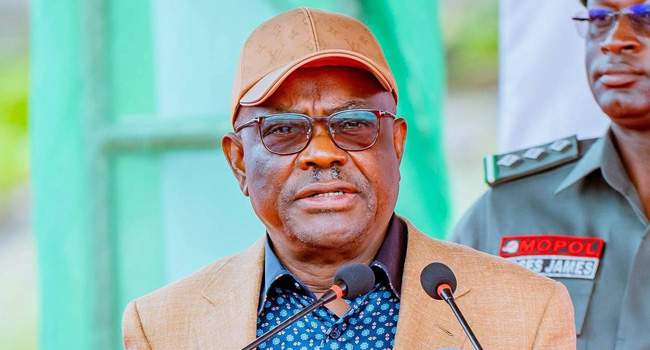
EFCC arrests Abuja businessman Innocent Ezuma over alleged $120m fraud involving a Ukrainian investor and suspected financial crimes
-
Politics3 years ago
13 Ondo Assembly Members Disown Endorsement of Aiyedatiwa
-
Politics3 years ago
APC Group, Ondo Govt, Quarrel Over Money for Endorsement
-

 Trending News5 years ago
Stop unsavoury, inciting statements – DSS warns
-

 Others5 years ago
Adron Homes Celebrates 10 Years Of Housing Excellence
-

 Humanity5 years ago
President Buhari Commiserates With Ambassador Maureen Tamuno Over The Loss Of Her Father
-

 Others7 years ago
EX- CUSTOMS BOSS, IBRAHIM MERA’S DWINDLING FAME
-

 Business2 years ago
Bigi Carbonated Soft Drinks Treats 40 Consumers to an Epic Easter Movie Hangout
-

 Business2 years ago
Wema Bank Shines at Global SME Finance Forum Conference Awards 2024 …Awarded: • SME Financier of the Year (Africa) • Platinum Award for Best Financier for Women Entrepreneurs (Africa)