
Oil and Gas
NNPC, Chevron Celebrate Awodi-07 Well Success


NNPC and Chevron Nigeria mark Awodi-07 well success in Niger Delta, confirming hydrocarbons and boosting national energy prospects

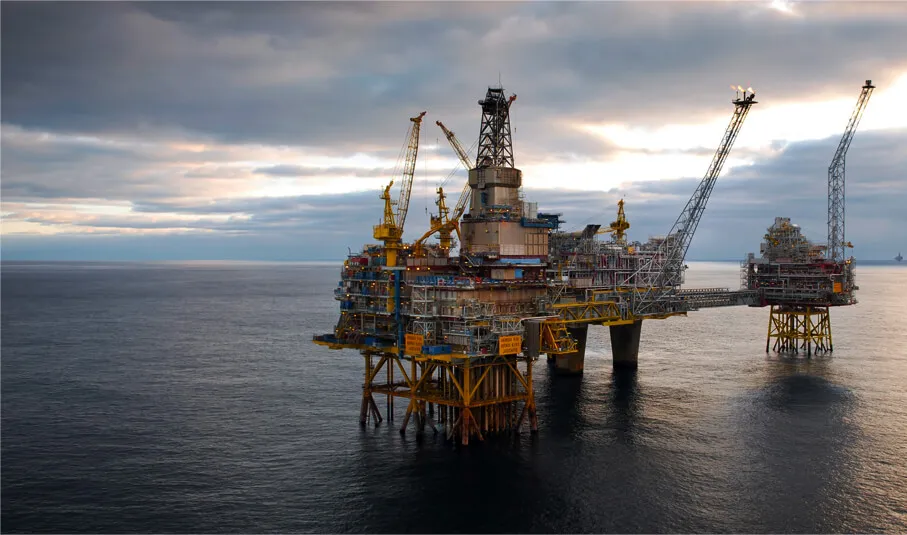
The Nigerian National Petroleum Company Limited (NNPC Ltd) has congratulated Chevron Nigeria Limited on the successful completion of the Awodi-07 appraisal and exploration well in the shallow offshore western Niger Delta.
Also read: Nigeria Achieves Historic First in Robotic Gynaecological Surgery
The announcement was made in a press release dated 26 January 2026 and signed by Andy Odeh, Chief Corporate Communications Officer, NNPC Ltd.
The well, operated under the NNPC Ltd/CNL Joint Venture, was drilled to further delineate hydrocarbon potential within the asset portfolio.
Drilling began in late November 2025 and concluded in mid-December 2025, with all operations conducted safely, efficiently, and in full compliance with regulatory and operational standards.
Testing, logging, and data acquisition confirmed the presence of significant hydrocarbons across multiple reservoir zones, marking a milestone for the Joint Venture.
NNPC Ltd described the result as a testament to disciplined exploration, robust technical evaluation, and effective operational collaboration between both partners.
Commenting on the development, NNPC Ltd’s Group Chief Executive Officer, Bashir Ojulari, praised Chevron Nigeria Limited for its performance.
“The success of the Awodi-07 well further reinforces the strength of the NNPC Ltd/CNL Joint Venture and our shared commitment to responsibly growing Nigeria’s hydrocarbon reserves,” Ojulari said.
He added that the milestone aligns with strategic priorities of increasing production, enhancing national energy security, and delivering sustainable value to Nigerians.
Mr. Udy Ntia, Executive Vice President, Upstream, NNPC Ltd, also highlighted the role of sector reforms and strong partnerships in the discovery.
“This success underscores the importance of disciplined exploration programmes and the positive impact of the Petroleum Industry Act reforms. We look forward to progressing this opportunity toward timely development and monetisation,” Ntia said.
The NNPC Ltd/CNL Joint Venture operates several oil and gas fields in the Niger Delta, with Chevron holding a 40 per cent stake and NNPC Ltd owning the remaining share.
Also read: Nigeria Achieves Historic First in Robotic Gynaecological Surgery
The partnership combines resources, expertise, and investment to develop Nigeria’s oil and gas assets, aiming to increase oil production to roughly 146,000 barrels per day, supporting government revenue, job creation, and national energy supply.



Malabu Oil and Gas dispute escalates as the company demands correction and apology over alleged inaccuracies in The Africa Report OPL 245 story

Malabu Oil OPL 245 Suit as the firm challenges FG over conversion of OPL 245 to OML 245 and seeks ₦1 trillion in damages
-
Politics3 years ago
13 Ondo Assembly Members Disown Endorsement of Aiyedatiwa
-
Politics3 years ago
APC Group, Ondo Govt, Quarrel Over Money for Endorsement
-

 Trending News5 years ago
Stop unsavoury, inciting statements – DSS warns
-

 Others5 years ago
Adron Homes Celebrates 10 Years Of Housing Excellence
-

 Humanity5 years ago
President Buhari Commiserates With Ambassador Maureen Tamuno Over The Loss Of Her Father
-

 Others7 years ago
EX- CUSTOMS BOSS, IBRAHIM MERA’S DWINDLING FAME
-

 Business2 years ago
Bigi Carbonated Soft Drinks Treats 40 Consumers to an Epic Easter Movie Hangout
-

 Business2 years ago
Wema Bank Shines at Global SME Finance Forum Conference Awards 2024 …Awarded: • SME Financier of the Year (Africa) • Platinum Award for Best Financier for Women Entrepreneurs (Africa)