
News
Nigeria’s Loser Mentality Is a National Security Threat – 1


An analyst warns Nigeria sore-loser politics threatens democracy and security as 2027 elections approach, urging maturity and acceptance of defeat

Nigeria has a problem that rarely gets named, let alone confronted: we do not know how to lose.
Also read: Nigeria’s Digital Lenders Struggle with Rising Defaults
In sports, in school, and especially in politics, defeat is almost never accepted as defeat. There is always an excuse. Someone must have cheated.
An institution must have conspired. Officials must have been compromised. Failure, in the Nigerian mind, is rarely self-inflicted but rather someone else’s fault.
This mindset can only be described as a sore-loser mentality or unsportsmanlike conduct and is no longer just a cultural weakness.
It is fast becoming a threat to democratic stability and national security, especially as the 2027 general elections approach.
From childhood, Nigerians are conditioned to externalize failure. A student who fails an exam blames the lecturer. A team that loses a match blames the referee.
A candidate who loses an election blames “rigging.” Introspection is rare; accusation is automatic.
Politics magnifies this defect. Since independence, almost every major election in Nigeria has been disputed.
Losing parties routinely refuse to concede, even when evidence does not support their claims. Democracy, for many, is only legitimate when they win.
The irony is that many of these losses are predictable and self-inflicted. Fragmented opposition parties, weak nationwide structures, poor campaign strategy, and overreliance on social media hype are repeatedly mistaken for electoral strength. When reality intervenes, disappointment is rebranded as fraud.
The 2023 presidential election offered a textbook example. A divided opposition split its own vote while the ruling party consolidated.
Basic electoral arithmetic made the outcome foreseeable. Yet when results were announced, outrage replaced analysis. Evidence was secondary to emotion.
This pattern is dangerous. When citizens are taught that every loss is illegitimate, elections become flashpoints. Anger spills into the streets.
Property is destroyed. Faith in institutions collapses. Worse still, such chaos creates openings for anti-democratic actors who thrive on instability.
No democracy can survive if its participants refuse to accept unfavorable outcomes. The ability to lose, regroup, and return stronger is not weakness, it is the foundation of democratic maturity.
Nigeria must urgently unlearn this culture of excuse-making. Not every defeat is rigged. Not every winner is a thief. Sometimes, you simply lose, because your strategy failed, your message did not resonate, or your coalition was too narrow.
As 2027 approaches, the warning signs are already visible. A fragmented opposition is heading toward another predictable loss, followed by another predictable crisis of legitimacy. If nothing changes, the cycle will repeat itself leading to more anger, allegations, and unrest.
Nigeria does not need more conspiracy theories. It needs political maturity.
Until Nigerians learn to accept defeat with the same passion they celebrate victory, our democracy will remain fragile and our national security perpetually at risk.
Also read: Nigeria’s Equities Rally Adds N970bn as Pension Funds Drive Gains
is an unapologetic advocate for culture change and change management professional skilled in eliminating waste, fraud and abuse


Danielle Adewusi is crowned Miss Universe Nigeria 2026 after defeating 19 delegates in Lagos, earning the chance to represent Nigeria in Mexico (more…)
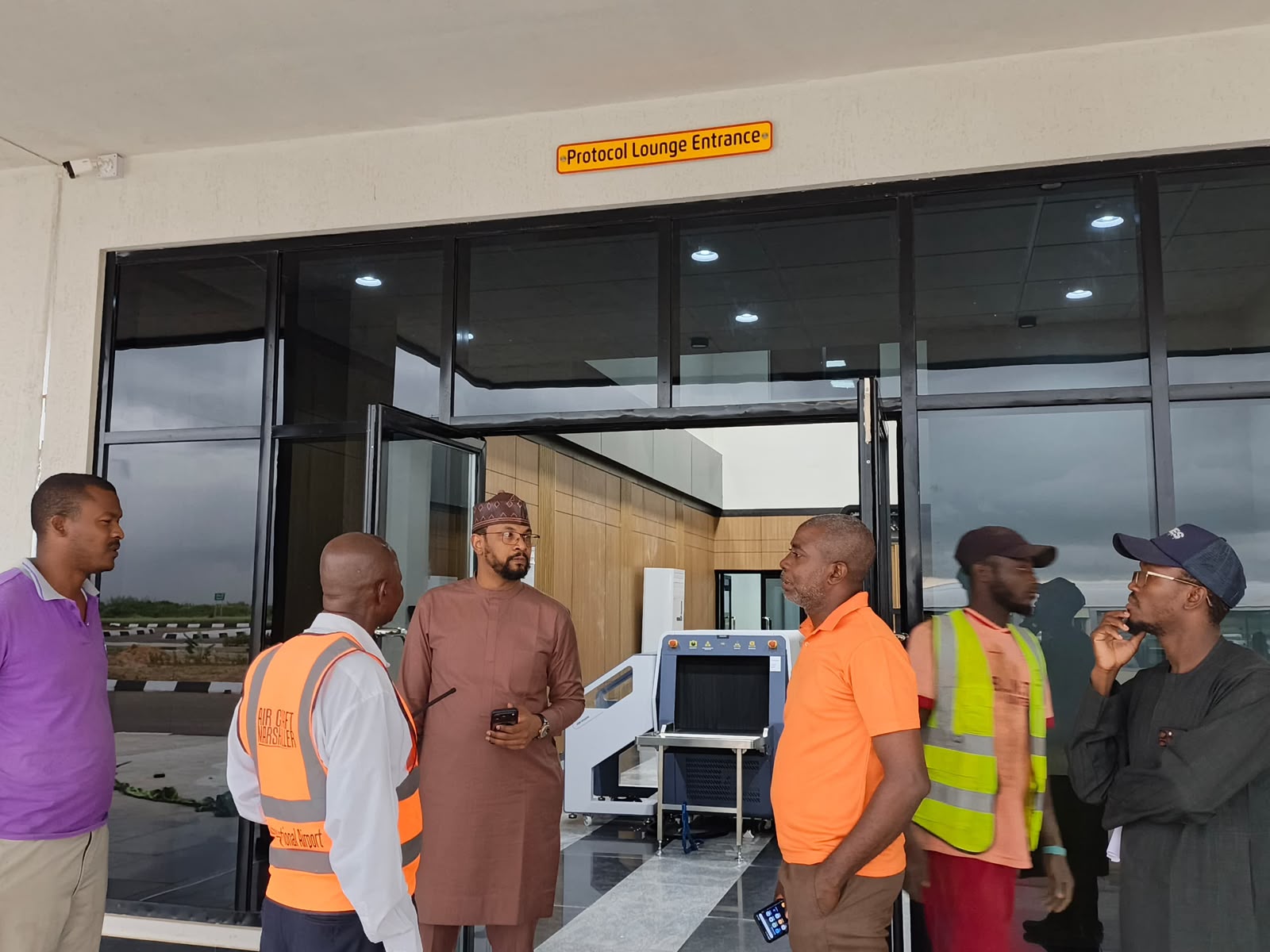
Gusau International Airport internet deployment begins ahead of October 1 commercial operations, with free connectivity planned for passengers and staff
-
Politics3 years ago
13 Ondo Assembly Members Disown Endorsement of Aiyedatiwa
-
Politics3 years ago
APC Group, Ondo Govt, Quarrel Over Money for Endorsement
-

 Trending News5 years ago
Stop unsavoury, inciting statements – DSS warns
-

 Others5 years ago
Adron Homes Celebrates 10 Years Of Housing Excellence
-

 Humanity5 years ago
President Buhari Commiserates With Ambassador Maureen Tamuno Over The Loss Of Her Father
-

 Others7 years ago
EX- CUSTOMS BOSS, IBRAHIM MERA’S DWINDLING FAME
-

 Business2 years ago
Bigi Carbonated Soft Drinks Treats 40 Consumers to an Epic Easter Movie Hangout
-

 Business2 years ago
Wema Bank Shines at Global SME Finance Forum Conference Awards 2024 …Awarded: • SME Financier of the Year (Africa) • Platinum Award for Best Financier for Women Entrepreneurs (Africa)