Business
Nigeria Launches Bold Port Overhaul To Boost Trade Growth

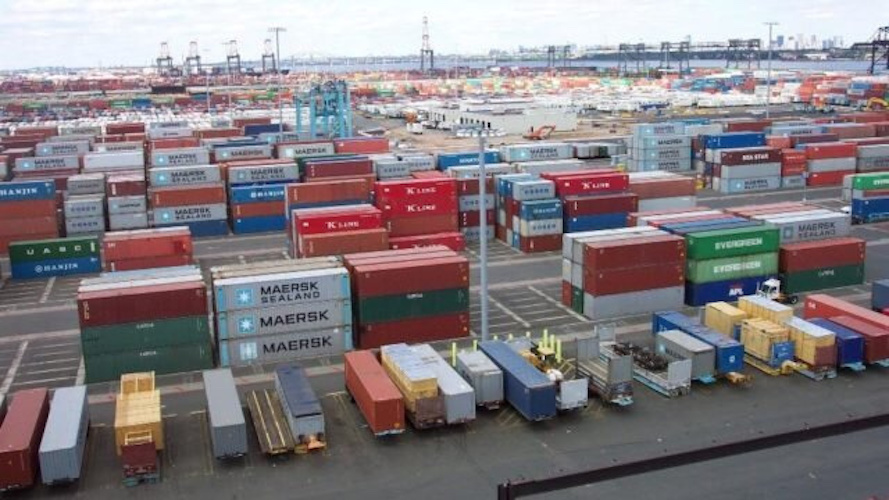
Nigeria port overhaul trade growth drive as government invests $1bn in upgrades, digital systems and reforms to boost AfCFTA competitiveness

The Managing Director of the Nigerian Ports Authority, Dr Abubakar Dantsoho, warned that Nigeria’s maritime sector is underperforming despite its economic dominance in West Africa, as the federal government intensifies a sweeping reform programme aimed at transforming the country’s port system.
Also read: BoI signs strategic partnership framework deal with German Int’l Agency to accelerate MSME growth
The Nigeria port overhaul trade growth agenda comes as Nigeria, which accounts for over 60 per cent of West Africa’s GDP, handles only about 25 per cent of regional cargo traffic due to persistent congestion, infrastructure gaps, and operational inefficiencies.
Dantsoho described the imbalance as a clear signal that Nigeria has yet to fully optimise its maritime potential, stressing that efficiency has now become more important than geographical advantage in determining trade leadership under the African Continental Free Trade Area (AfCFTA).
He spoke during a stakeholder forum in Lagos, where he outlined ongoing reforms designed to reposition Nigeria as a leading logistics hub in Africa.
At the heart of the initiative is a bold federal government push under President Bola Tinubu to modernise port infrastructure, expand capacity, and strengthen the country’s blue economy architecture.
The reform programme includes a $1 billion investment approved by the House of Representatives for the rehabilitation of the Lagos Port Complex and Tin Can Island Port, alongside broader upgrades across Warri, Port Harcourt, Onne, and Calabar ports.
The government has also begun developing deep seaports in key coastal states, including Bayelsa, Cross River, Akwa Ibom, and Ondo, to ease congestion and accommodate larger vessels.
A major component of the strategy is digital transformation, with the introduction of the Port Community System and National Single Window aimed at reducing delays, improving transparency, and cutting clearance times.
These reforms are expected to significantly enhance operational efficiency and reduce the cost of doing business within Nigeria’s maritime sector.
Dantsoho noted that private sector participation is also being encouraged to bridge funding gaps and accelerate infrastructure delivery.
He added that improved security, including more than four years without piracy incidents, has strengthened investor confidence in the sector.
Despite progress, challenges such as infrastructure deficits, bureaucratic bottlenecks, and inland logistics constraints remain key concerns that could affect long-term success.
Also read: Issues in President Tinubu’s UK state visit
However, officials insist that sustained reforms could reposition Nigeria as a dominant maritime hub in West Africa and unlock significant economic value under AfCFTA.





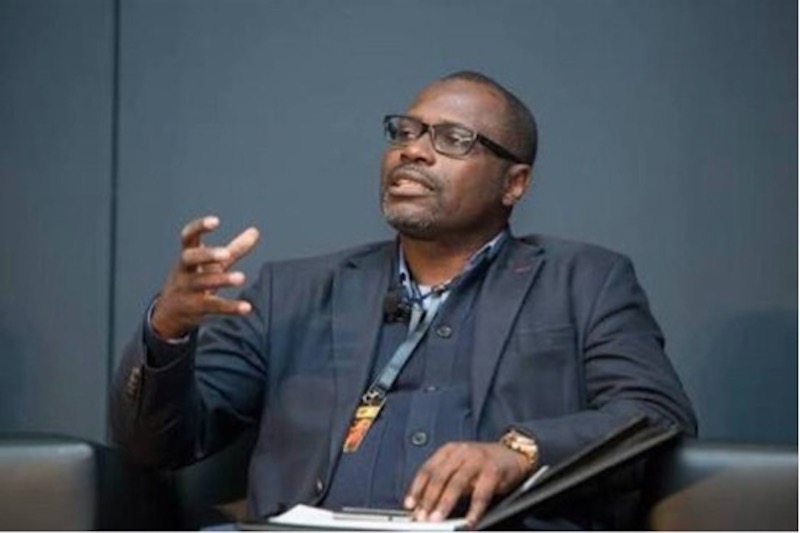
Shoreline Group today announced that African Export-Import Bank (Afreximbank) has approved a US$200 million facility in favour of Shoreline Power Company Limited and co-borrowers including Arkad S.p.A., Shoreline’s majority-owned engineering and construction platform.
Approved in June 2026, the facility was arranged and provided by Afreximbank as sole mandated lead arranger and lender. It provides bonding and working-capital capacity for Arkad’s delivery of the Hassi Bir Rekaiz project and supports Shoreline and its affiliates in developing further pipeline and infrastructure
projects in Nigeria and other permitted jurisdictions.
“This is a defining transaction for Shoreline and Arkad. We built Arkad as an African- sponsored engineering platform capable of competing at the highest level, and it is now delivering against a billion-dollar energy contract. Afreximbank’s US$200 million commitment gives the platform the financial strength to match its engineering capability and pursue further major infrastructure mandates. It demonstrates that African enterprises can assemble the capital, capability and partnerships required to compete for infrastructure at international scale.”
Hassi Bir Rekaiz Phase 2a Arkad holds 44 per cent of the approximately US$1 billion EPCCS-1 contract awarded by Groupement
Hassi Bir Rekaiz (GHBR) to an unincorporated consortium led by Egypt’s Petrojet, which holds 56 percent. EPCCS-1 covers engineering, procurement, construction, commissioning and start-up for the Phase 2a central processing facility and related infrastructure at the Hassi Bir Rekaiz field in Algeria’s Berkine
Basin.
GHBR is the joint operating entity for the licence, held by Sonatrach with 51 per cent and Thailand’s PTTEP with 49 per cent. The project includes a new crude oil processing facility with capacity of 31,500 barrels per day, facilities for associated gas and produced-water treatment, approximately 217 kilometres
of pipelines and the brownfield modifications required to integrate existing Phase 1 infrastructure.
The facilities are designed to support later expansion to 63,000 barrels per day under Phase 2b.
“This financing addresses the instruments that determine whether an EPC contractor can execute at scale: performance guarantees, advance payment guarantees and working capital through the project cycle. Hassi Bir Rekaiz is a demanding scope, combining a new central processing facility, associated treatment systems, pipelines and brownfield integration. With Petrojet, and with the support of Shoreline and Afreximbank, Arkad is focused on disciplined delivery against the project’s safety, quality and schedule requirements.”
The transaction was structured under Afreximbank’s Engineering, Procurement and Construction Initiative, which supports African engineering and construction firms with the financial instruments required to compete for and execute large infrastructure contracts. Afreximbank also supported the Arkad-Petrojet partnership through its EPC twinning work at the Intra-African Trade Fair held in Algiers
in 2025.
According to Afreximbank, the transaction is its first support for a Sub-Saharan African contractor undertaking a major infrastructure project in North Africa. For Shoreline, it demonstrates a practical model for combining African ownership and capital with established international engineering andindustrial capability.
-
Politics2 years ago
13 Ondo Assembly Members Disown Endorsement of Aiyedatiwa
-
Politics2 years ago
APC Group, Ondo Govt, Quarrel Over Money for Endorsement
-

 Trending News5 years ago
Stop unsavoury, inciting statements – DSS warns
-

 Others5 years ago
Adron Homes Celebrates 10 Years Of Housing Excellence
-

 Humanity5 years ago
President Buhari Commiserates With Ambassador Maureen Tamuno Over The Loss Of Her Father
-

 Others7 years ago
EX- CUSTOMS BOSS, IBRAHIM MERA’S DWINDLING FAME
-

 Business2 years ago
Bigi Carbonated Soft Drinks Treats 40 Consumers to an Epic Easter Movie Hangout
-

 Business2 years ago
Wema Bank Shines at Global SME Finance Forum Conference Awards 2024 …Awarded: • SME Financier of the Year (Africa) • Platinum Award for Best Financier for Women Entrepreneurs (Africa)