
Business
Nigeria Loses N20bn Daily to Port Inefficiencies, Agbakoba


Nigeria port inefficiencies cost N20bn daily, says Olisa Agbakoba; experts urge modernisation, legal reforms, and better infrastructure.

Nigeria is losing approximately N20 billion daily at its ports due to decayed infrastructure and operational inefficiencies, with significant revenue flowing to neighbouring ports such as Cotonou, Tema, and Lomé, according to Senior Advocate of Nigeria Olisa Agbakoba.
Also read: Agbakoba issues second ultimatum to Natasha Akpoti-Uduaghan to retract “False” harassment claim against Akpabio
Citing a report by Dutch consultancy firm Dynanmar, Agbakoba said that while 80 per cent of containers in West and Central Africa are destined for Nigeria, less than 20 per cent actually arrive due to port deterioration.
He added that over 25,000 foreign vessels illegally trade in Nigeria’s coastal waters, representing both a national security concern and a loss of economic opportunity.
Highlighting the Lekki Deep Seaport as a model, Agbakoba noted that it is already attracting more than $20 billion in investment and demonstrates the potential for replicable port modernisation nationwide.
Conversely, he said that key strategic ports remain underdeveloped or abandoned, including the Apapa City Port and the Onitsha River Port.
Other ports at Azumiri, Oraji, and in Akwa Ibom and Ogun states require significant development.
Agbakoba called for decisive legal and institutional reforms to modernise port operations, including enacting the Ports and Inland Waterways Development Act, amending the Nigerian Ports Authority Act (1999) to encourage private sector participation through robust public-private partnerships, and updating the National Inland Waterways Authority Act (1997) to enable systematic dredging and inland port development.
He emphasised critical performance targets such as reducing cargo dwell time to 48 hours or less and achieving annual port throughput growth of 15 per cent or more.
The National Policy on Marine and Blue Economy (2025–2034) already provides a roadmap for these reforms, outlining nine new laws, institutional strengthening, and enhanced enforcement mechanisms.
According to the Sea Empowerment Research Centre, lowering cargo dwell time by 35–45 per cent could save the private sector N300–400 billion annually, while broader trade efficiency gains could reduce transaction costs by 20–25 per cent.
Current inefficiencies are estimated to cost Nigeria N500–900 billion each year in lost revenue, administrative duplication, and reduced productivity.
Agbakoba stressed that while global attention focuses on oil and gas, the maritime sector could rival petroleum revenues and create millions of jobs if reforms are implemented.
Also read: Natasha Akpoti-Uduaghan Senate Reinstatement Sparks Legal Showdown
“The choice before us is clear: allow the policy to remain aspirational or implement bold legal reforms that unlock N70 trillion in annual revenue,” he said.



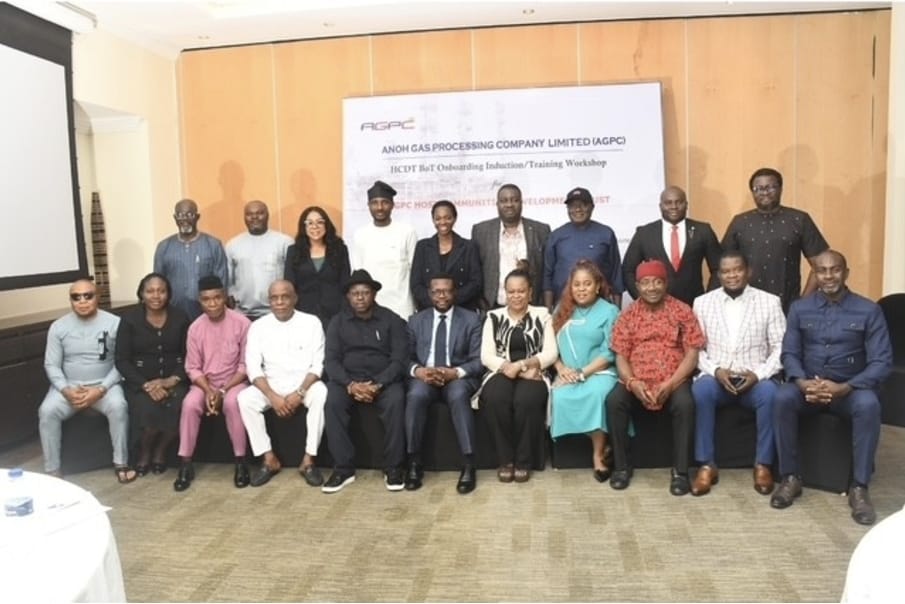
ANOH Gas inaugurates its HCDT Board, setting a new course for sustainable community development, transparency and accountability under the PIA
Banking
Theparkpay Technologies Limited Strengthens Global Payments Infrastructure with UK FCA Licence


-
Politics3 years ago
13 Ondo Assembly Members Disown Endorsement of Aiyedatiwa
-
Politics3 years ago
APC Group, Ondo Govt, Quarrel Over Money for Endorsement
-

 Trending News5 years ago
Stop unsavoury, inciting statements – DSS warns
-

 Others5 years ago
Adron Homes Celebrates 10 Years Of Housing Excellence
-

 Humanity5 years ago
President Buhari Commiserates With Ambassador Maureen Tamuno Over The Loss Of Her Father
-

 Others7 years ago
EX- CUSTOMS BOSS, IBRAHIM MERA’S DWINDLING FAME
-

 Business2 years ago
Bigi Carbonated Soft Drinks Treats 40 Consumers to an Epic Easter Movie Hangout
-

 Business2 years ago
Wema Bank Shines at Global SME Finance Forum Conference Awards 2024 …Awarded: • SME Financier of the Year (Africa) • Platinum Award for Best Financier for Women Entrepreneurs (Africa)