
Business
Nigeria Eurobonds Surge as Investor Confidence Improves Strongly

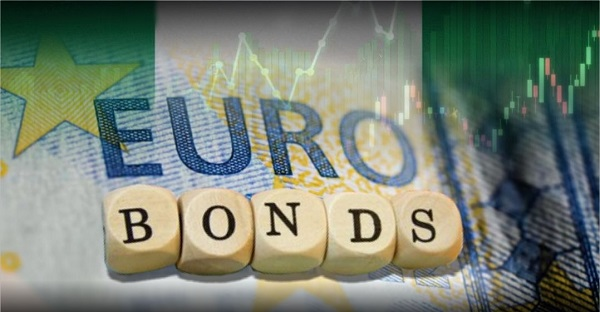
Nigeria Eurobonds investor sentiment strengthens as yields fall to 6.72%, driven by rising oil prices and improved global risk appetite

Nigeria’s Eurobonds have recorded renewed investor demand as improving sentiment across global fixed-income markets drives a fresh rally in African sovereign debt, pushing yields lower and signalling stronger appetite for emerging market assets.
Also read: Ehi Braimah: Nigeria Investor Confidence Growing Even with Security Threats
The latest market movement shows Nigeria’s dollar-denominated bonds benefiting from a broader upswing across African issuers, as investors respond to improving global risk perception and more favourable conditions for oil-linked economies.
Recent trading data indicates that the average yield on Nigeria’s Eurobonds declined by 7 basis points to 6.72%, reflecting sustained buying interest from international investors seeking higher returns amid ongoing global macroeconomic uncertainty.
Market analysts at AIICO Capital Limited attributed the positive momentum to improving global risk sentiment, even as volatility continues to shape commodity markets and geopolitical developments.
A key factor supporting the rally has been the strong performance of crude oil, which has reportedly surged by about 100 per cent since February, driven largely by geopolitical tensions involving the United States and Iran.
The rise in oil prices has strengthened fiscal expectations for oil-producing African countries such as Nigeria, as higher export revenues improve external buffers and enhance sovereign credit appeal.
This development has increased demand for African sovereign bonds linked to oil revenues, with investors positioning for potentially stronger fiscal balances across the region.
Yield compression was particularly notable in Nigeria’s mid-curve instruments, with bonds maturing in June 2031 and February 2032 each recording an 11 basis point decline amid heightened investor interest.
Despite the bullish tone, analysts warned that market sentiment remains fragile, citing ongoing geopolitical uncertainty and unresolved conflict risks that continue to weigh on long term risk appetite.
Later trading sessions reflected some caution among investors, as uncertainty around global stability and ceasefire prospects tempered the earlier wave of optimism.
In the broader global context, United States Treasury yields also declined, reflecting increased demand for safe-haven assets as investors reassessed inflation and interest rate expectations.
The yield on the 10-year US Treasury note fell to 4.3280 per cent, while the 2-year note dropped to 3.8469 per cent, and the 30-year bond eased to 4.9204 per cent.
Analysts say the combination of falling US yields and improving demand for African sovereign debt places Nigeria’s Eurobonds in a cautiously positive position within global fixed income markets.
Also read: NGX CEO Says Nigeria’s Capital Market Gains Global Investor Interest
Looking ahead, market observers expect selective buying to continue, with investor sentiment likely to be shaped by oil price movements, fiscal stability indicators, and global interest rate trends in the coming weeks.


Business
UBA Foundation Drives Environmental Awareness with Tree Planting in Lagos Schools for WED 2026


UBA Foundation tree planting initiative marks World Environment Day 2026 with sustainability drive across Lagos schools to promote climate action


Malabu Oil and Gas dispute escalates as the company demands correction and apology over alleged inaccuracies in The Africa Report OPL 245 story
-
Politics2 years ago
13 Ondo Assembly Members Disown Endorsement of Aiyedatiwa
-
Politics2 years ago
APC Group, Ondo Govt, Quarrel Over Money for Endorsement
-

 Trending News5 years ago
Stop unsavoury, inciting statements – DSS warns
-

 Others4 years ago
Adron Homes Celebrates 10 Years Of Housing Excellence
-

 Humanity4 years ago
President Buhari Commiserates With Ambassador Maureen Tamuno Over The Loss Of Her Father
-

 Others7 years ago
EX- CUSTOMS BOSS, IBRAHIM MERA’S DWINDLING FAME
-

 Business2 years ago
Bigi Carbonated Soft Drinks Treats 40 Consumers to an Epic Easter Movie Hangout
-

 Business2 years ago
Wema Bank Shines at Global SME Finance Forum Conference Awards 2024 …Awarded: • SME Financier of the Year (Africa) • Platinum Award for Best Financier for Women Entrepreneurs (Africa)