
Banking
Valuation Gap Raises Alarm as South Africa Bank Equals Nigeria Sector


Nigeria bank recapitalisation gains urgency as valuation gap with South African banks exposes systemic risks and weak investor confidence

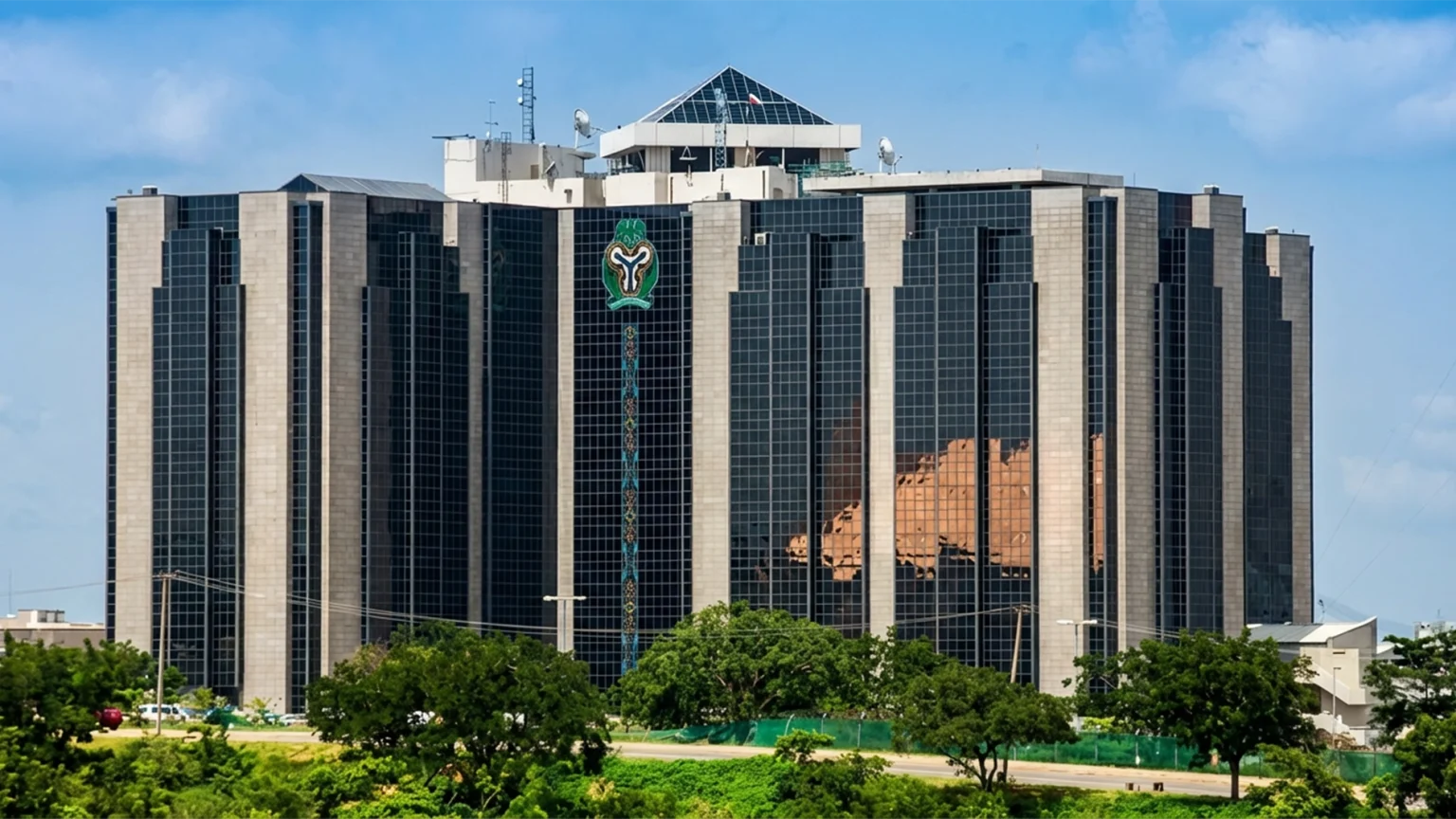
Nigeria’s banking sector is confronting a critical test as stark valuation disparities with South African institutions intensify calls for urgent reform under the Nigeria bank recapitalisation programme led by the Central Bank of Nigeria.
Also read: Tony Elumelu Foundation Completes Empowerment of the 2026 Cohort Successfully
Recent financial data shows that Standard Bank Group of South Africa commands a market value of about $21 to $22 billion, rivaling or exceeding the combined valuation of Nigeria’s listed banks.
This striking imbalance has triggered concern among analysts and policymakers over the long-term competitiveness of Africa’s largest economy.
The combined market capitalisation of 13 Nigerian banks listed on the Nigerian Exchange stands at roughly N16.14 trillion, equivalent to about $10.87 billion.
In contrast, leading South African banks such as FirstRand, Absa Group, and Nedbank operate within significantly higher valuation brackets, supported by deeper capital markets and stronger investor confidence.
Despite managing substantial assets, Nigeria’s top lenders remain undervalued. Guaranty Trust Holding Company is valued at under $2 billion, while Access Holdings, with assets exceeding $70 billion, carries a market capitalisation below $1 billion.
Analysts say this disconnect signals a deeper crisis of confidence rather than weak balance sheets.
Investor sentiment continues to reflect concerns over governance standards, currency volatility, and regulatory uncertainty.
Frequent depreciation of the naira has further eroded dollar-based returns, weakening the attractiveness of Nigerian banking stocks in global markets.
The Central Bank of Nigeria has responded with a bold Nigeria bank recapitalisation framework requiring lenders to raise their capital base to N500 billion for international banks, N200 billion for national banks, and N50 billion for regional banks.
The policy is designed to strengthen financial resilience, improve lending capacity, and restore global relevance.
Industry experts note that recapitalisation is not merely a compliance exercise but a decisive step toward repositioning Nigerian banks.
Stronger capital buffers will enable institutions to finance infrastructure, support industrial growth, and absorb economic shocks more effectively.
Historical precedent underscores the importance of reform. The 2004 consolidation led by former CBN governor Charles Soludo reduced the number of banks and created stronger institutions.
However, subsequent challenges, including the 2008 global financial crisis, exposed weaknesses in risk management and slowed momentum.
Today’s reform effort arrives at a pivotal moment. While Nigerian banks have recorded strong profits in recent years, much of the growth has been driven by foreign exchange gains rather than core lending performance.
The Central Bank has already restricted dividend payouts tied to such gains, reinforcing the need for sustainable growth.
Beyond capital adequacy, experts emphasise the need for structural improvements.
Nigerian banks must expand lending to the real economy, invest in digital transformation, and strengthen governance frameworks to attract long-term institutional investors.
The rise of financial technology firms adds further pressure, as fintech companies continue to reshape payments and lending across the country.
Without significant investment in innovation, traditional banks risk losing market share in a rapidly evolving financial landscape.
Policymakers also face the challenge of stabilising the macroeconomic environment.
A stable exchange rate, lower inflation, and predictable regulatory policies are widely seen as essential to restoring investor confidence and supporting the success of the recapitalisation programme.
As the March 31, 2026 deadline approaches, stakeholders warn that the outcome of the Nigeria bank recapitalisation effort will define the future of the sector.
Success could produce fewer but stronger banks capable of competing globally and financing economic transformation.
Also read: Tony Elumelu Foundation Completes Empowerment of the 2026 Cohort Successfully
Failure, however, could entrench an uncomfortable reality in which a single foreign bank continues to overshadow an entire national banking industry.




-
Politics3 years ago
13 Ondo Assembly Members Disown Endorsement of Aiyedatiwa
-
Politics3 years ago
APC Group, Ondo Govt, Quarrel Over Money for Endorsement
-

 Trending News5 years ago
Stop unsavoury, inciting statements – DSS warns
-

 Others5 years ago
Adron Homes Celebrates 10 Years Of Housing Excellence
-

 Humanity5 years ago
President Buhari Commiserates With Ambassador Maureen Tamuno Over The Loss Of Her Father
-

 Others7 years ago
EX- CUSTOMS BOSS, IBRAHIM MERA’S DWINDLING FAME
-

 Business2 years ago
Bigi Carbonated Soft Drinks Treats 40 Consumers to an Epic Easter Movie Hangout
-

 Business2 years ago
Wema Bank Shines at Global SME Finance Forum Conference Awards 2024 …Awarded: • SME Financier of the Year (Africa) • Platinum Award for Best Financier for Women Entrepreneurs (Africa)