
News
Suspected Herdsmen Kill Boat Operator in Makurdi Attack

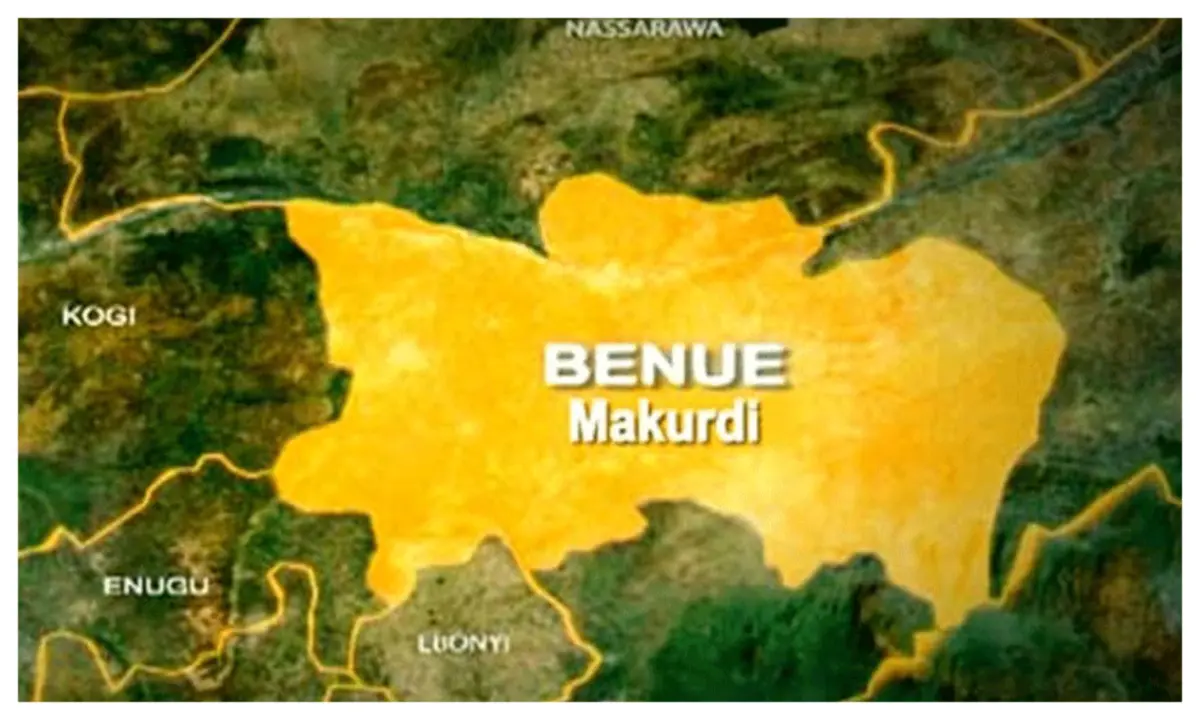
Makurdi herdsmen attack leaves one boat operator dead and three others injured on Afubo Island, Benue State, amid rising militia concerns
A suspected herdsmen attack in Makurdi has left a wooden canoe operator dead and three others severely injured, local sources confirmed. The incident occurred around 6:15 p.m. on Afubo Island, near the Nigerian Army School of Military Engineering headquarters.

Victims include canoe operator Jerry Saleh, who reportedly suffered amputation injuries, and two brothers, Edoh Adikwu and Adah Adikwu, who were attacked with machetes.
Also read: Yelwata IDP Camp records 15 births as 122 women remain pregnant
A fourth Tiv farmer, whose identity remains unknown, sustained life-threatening injuries. All victims are receiving treatment at the Federal Medical Centre and Sandra Hospital in Makurdi.
According to Ekani Olikita, media aide to the House of Representatives member for Apa/Agatu Federal Constituency, the crisis began when approximately ten Fulani men boarded a motorised canoe from Wadata Market to Afubo Island but allegedly refused to pay fares, sparking a heated dispute.
Olikita said reinforcements from the island arrived after phone calls from the passengers, leading to a violent assault on non-Fulani passengers and residents.
The aide described Afubo Island as a suspected hideout for armed militia, who allegedly launch attacks on nearby communities in Makurdi, Gwer West, Agatu, and Apa local government areas before retreating to the island.
Also read: Benue suspends land consultants, contractors over irregularities
“The island is a time bomb that requires immediate attention from security forces to prevent further escalation of violence,” the statement warned, highlighting the urgent need for intervention to restore peace in the region.


News
Panic-stricken Enugu APC begins flag-off of already flagged of roads in Nsukka after PDP’s Chijioke Ugwu’s homecoming



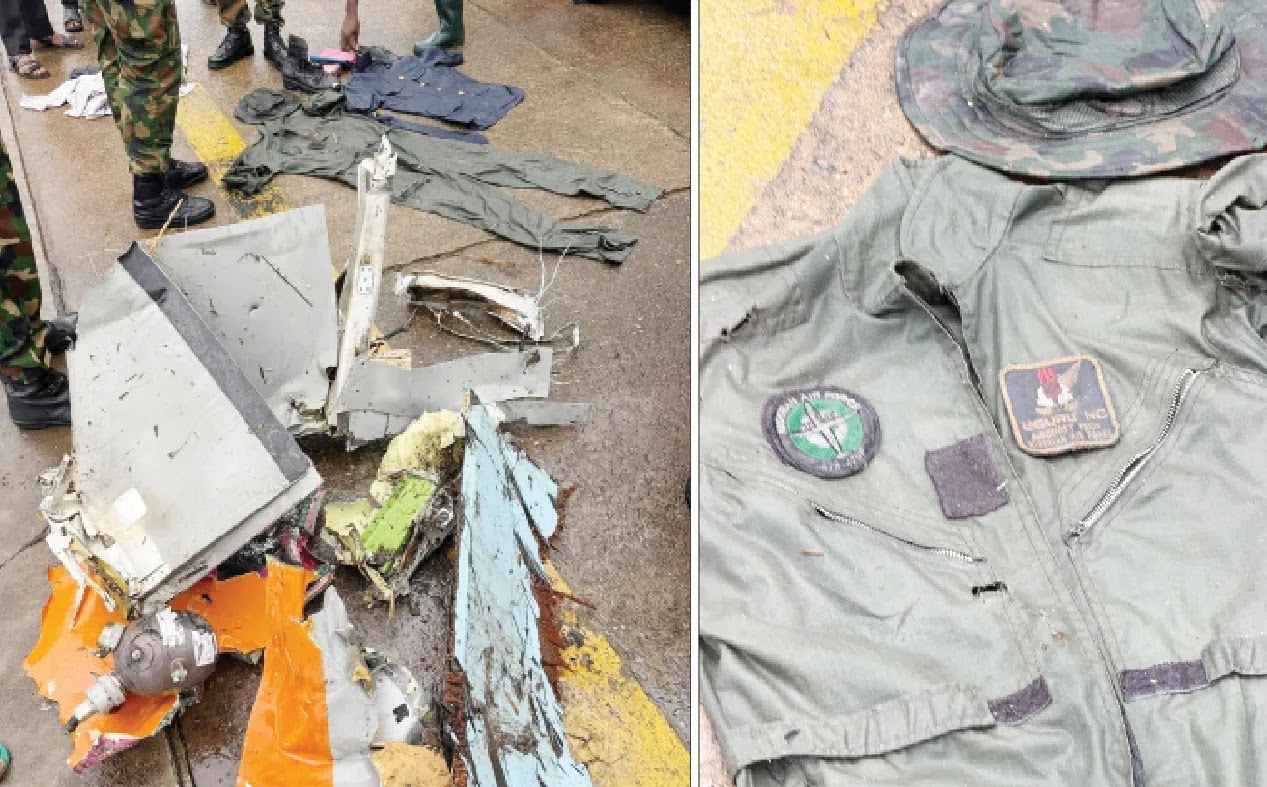
The Nigerian Air Force has confirmed that all 25 people aboard its ATR-42 aircraft, NAF 931, died after the aircraft crashed in the Igbokoda area of Ondo State.
The aircraft, which had five crew members and 20 passengers on board, was on a routine mission from Benin to Lagos when the NAF 931 aircraft crash occurred on Monday, October 5, 2026. Search-and-rescue operations were immediately activated following the accident.
The Chief of the Air Staff, Air Marshal Sunday Kelvin Aneke, described the incident as a deeply painful moment for the Nigerian Air Force and the country, while extending condolences to the families, colleagues and loved ones of those who died.
Aneke assured the bereaved families of the Nigerian Air Force’s full support as they come to terms with the loss.
The Air Force said no survivors had been found and released the names of the five crew members and 20 passengers on board the aircraft.
The crew members were identified as Squadron Leader M.I. Aburime, Flight Captain; Squadron Leader A.P. Man-Ugwueje, Co-pilot; Flight Lieutenant I.S. Bako, Co-pilot; Warrant Officer A. Abubakar, Aircraft Technician; and Corporal H.C. Uguru, Aircraft Technician.
The 20 passengers were Flight Lieutenant T.L. Lazarus; Flight Lieutenant M. Akinloye; Flying Officer I.M. Adeshina; Master Warrant Officer F. Onwuka; Master Warrant Officer B.A. Matini; Warrant Officer F.S. Nuhu; Flight Sergeant R.B. James; Flight Sergeant A.I. Mohammed; Sergeant A.E. Ani; Sergeant S.I. Izibenikien; Sergeant C. Alafuka; Sergeant A.N. Mbadugha; Lance Corporal F.C. Ugwuba; Lance Corporal G.E. Eledan; Mrs Ezeh Nneka; Godstmine Tarabina; Joy Micheal; Sunday Micheal; Ukeme David; and Gideon Omotola.
The latest figure released by the Air Force differs from the initial information provided after the crash. Aviation Minister Festus Keyamo had initially said 32 people, comprising 25 passengers and seven crew members, were aboard the aircraft. The Nigerian Air Force subsequently clarified that the manifest contained 25 people, made up of five crew members and 20 passengers.
The aircraft crashed in a swampy area around Igbokoda, close to a naval base, after air traffic controllers lost contact with it at about 9:13am while it was travelling from Benin to Lagos. The wreckage was later located and rescue teams were deployed to the area.
The cause of the crash has not been established. The Chief of the Air Staff has directed a comprehensive investigation to determine the circumstances surrounding the accident.
President Bola Tinubu had also directed the Nigerian Air Force to conduct a thorough investigation into the crash and declared three days of national mourning for the personnel who died. He ordered that national flags be flown at half-mast throughout the country in honour of the victims.
The Air Force said it would continue to provide timely and verified information as the investigation progresses. It also urged members of the public to avoid speculation and the circulation of unverified information, while respecting the privacy and dignity of the affected families.
A condolence register has been opened at the Headquarters of the Nigerian Air Force in Abuja for senior government officials, members of the diplomatic corps, heads of security agencies and other well-wishers who wish to pay their respects and convey messages of sympathy to the families of the deceased and the Nigerian Air Force.


-
Politics3 years ago
13 Ondo Assembly Members Disown Endorsement of Aiyedatiwa
-
Politics3 years ago
APC Group, Ondo Govt, Quarrel Over Money for Endorsement
-

 Trending News5 years ago
Stop unsavoury, inciting statements – DSS warns
-

 Others5 years ago
Adron Homes Celebrates 10 Years Of Housing Excellence
-

 Humanity5 years ago
President Buhari Commiserates With Ambassador Maureen Tamuno Over The Loss Of Her Father
-

 Others7 years ago
EX- CUSTOMS BOSS, IBRAHIM MERA’S DWINDLING FAME
-

 Business2 years ago
Bigi Carbonated Soft Drinks Treats 40 Consumers to an Epic Easter Movie Hangout
-

 Business2 years ago
Wema Bank Shines at Global SME Finance Forum Conference Awards 2024 …Awarded: • SME Financier of the Year (Africa) • Platinum Award for Best Financier for Women Entrepreneurs (Africa)