
Business
GIABA Links Cash Use to Money Laundering in West Africa

GIABA money laundering risks rise from excessive cash use; agency urges electronic payments to fight transnational crimes in West Africa

The Inter-Governmental Action Group Against Money Laundering in West Africa (GIABA) has identified the excessive use of cash as a major driver of money laundering and other financial crimes across Nigeria and the wider West African region.
Also read: Nigeria, Rwanda Shine at West Africa Trophy Awards
GIABA is a specialised agency of the Economic Community of West African States (ECOWAS).
Speaking at the Joint GIABA–ECOWAS Gender Development Centre (EGDC) Regional Forum on Women and Transnational Organised Crimes in Lagos, Dr. Jeffery Isima, Acting Director of Policy and Research at GIABA, said reliance on cash hampers efforts to track illicit financial flows.
“What we are doing to deal with it is to help the Nigerian government enhance financial inclusion and cashless financing,” Isima said.
“We are helping to ensure that people can carry out large transactions through electronic payments.”
He explained that many individuals involved in financial crimes avoid banks because electronic transactions are traceable, making cash transactions more attractive for laundering illicit funds.
Isima highlighted the broader context of transnational organised crime in West Africa, noting that human trafficking is pervasive, evolving, and deeply harmful.
United Nations Office on Drugs and Crime (UNODC) data shows children account for over 75 per cent of trafficking victims in the sub-region.
Ms. Hafsat Abubakar Bakari, Director/CEO of the Nigerian Financial Intelligence Unit (NFIU), described human trafficking as one of the most lucrative forms of transnational organised crime worldwide, generating over $150 billion annually.
Women and girls represent more than 60 per cent of victims, with sexual exploitation and domestic servitude particularly prevalent in West Africa.
Bakari emphasised that trafficking creates a financial trail, including payments for recruitment, transportation, forged documentation, accommodation, and exploitation.
These proceeds are laundered through banks, mobile money platforms, informal value transfer systems, shell companies, and increasingly, digital and cryptocurrency channels.
“Trafficking cannot be effectively tackled without integrating anti–money laundering and counter-financing tools into national and regional responses,” Bakari said.
She added that structural vulnerabilities such as poverty, unemployment, displacement, porous borders, and entrenched gender inequalities provide fertile ground for traffickers, who increasingly exploit social media and community networks to recruit victims.
Also read: UBA Group Dominates 2025, Banker Awards, Emerges Africa’s Bank of the Year, For Third Time in Five Years
Both speakers stressed the importance of risk-based supervision, intelligence-led interventions, and a shift towards electronic payments to combat the financial mechanisms underpinning transnational organised crimes.


Business
UBA Foundation Drives Environmental Awareness with Tree Planting in Lagos Schools for WED 2026

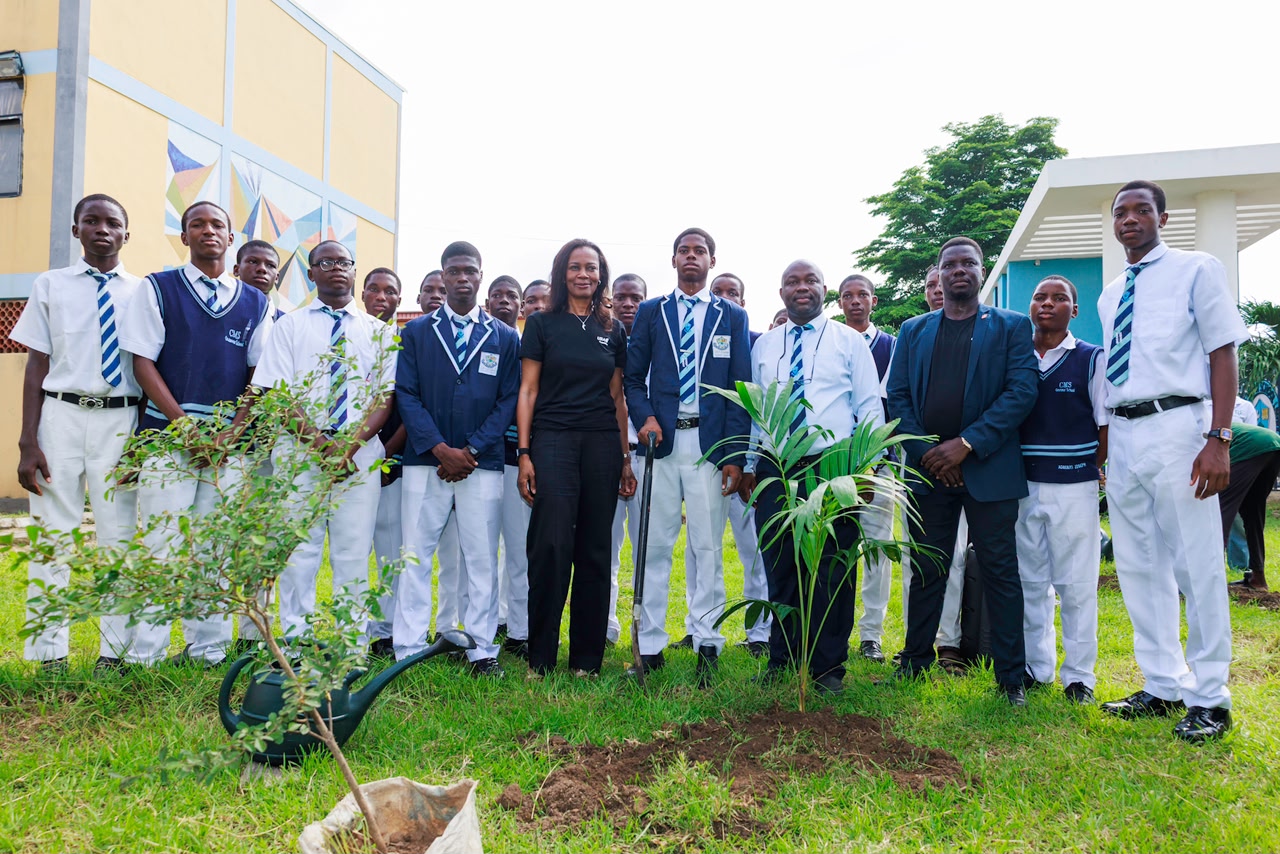
UBA Foundation tree planting initiative marks World Environment Day 2026 with sustainability drive across Lagos schools to promote climate action
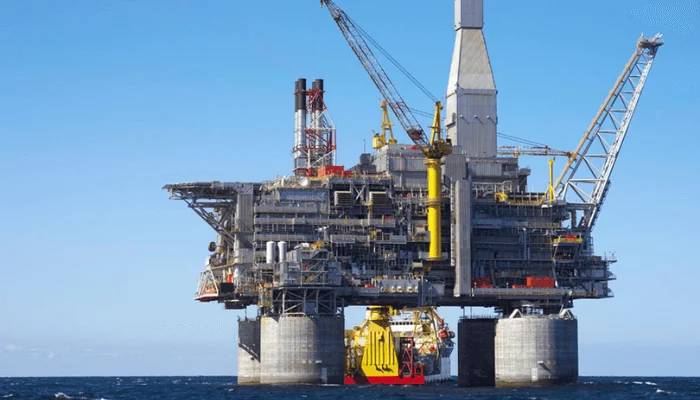


Malabu Oil and Gas dispute escalates as the company demands correction and apology over alleged inaccuracies in The Africa Report OPL 245 story
-
Politics2 years ago
13 Ondo Assembly Members Disown Endorsement of Aiyedatiwa
-
Politics2 years ago
APC Group, Ondo Govt, Quarrel Over Money for Endorsement
-

 Trending News5 years ago
Stop unsavoury, inciting statements – DSS warns
-

 Others4 years ago
Adron Homes Celebrates 10 Years Of Housing Excellence
-

 Humanity4 years ago
President Buhari Commiserates With Ambassador Maureen Tamuno Over The Loss Of Her Father
-

 Others7 years ago
EX- CUSTOMS BOSS, IBRAHIM MERA’S DWINDLING FAME
-

 Business2 years ago
Bigi Carbonated Soft Drinks Treats 40 Consumers to an Epic Easter Movie Hangout
-

 Business2 years ago
Wema Bank Shines at Global SME Finance Forum Conference Awards 2024 …Awarded: • SME Financier of the Year (Africa) • Platinum Award for Best Financier for Women Entrepreneurs (Africa)