
Business
Nigeria’s Digital Lenders Struggle with Rising Defaults

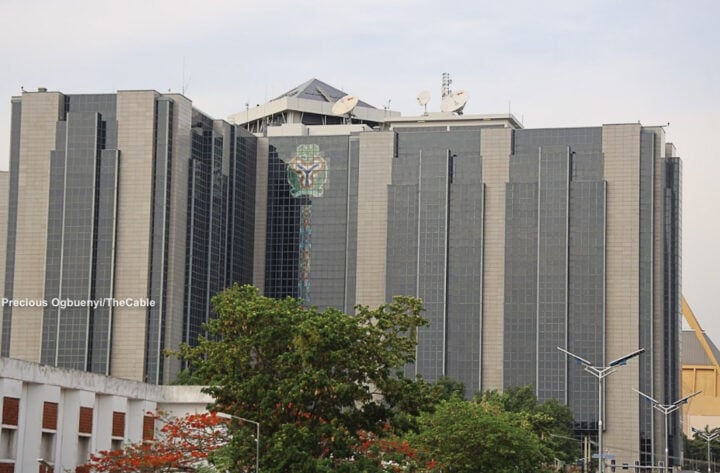
Nigeria’s digital lenders face rising loan defaults amid exclusion from CBN’s GSI framework, raising systemic credit risks

Nigeria’s digital lending ecosystem is facing mounting challenges as microfinance banks, fintechs, and other non-bank lenders struggle with rising loan defaults, largely due to their exclusion from the Central Bank of Nigeria’s Global Standing Instruction (GSI) framework.
Also read: Nigeria’s Equities Rally Adds N970bn as Pension Funds Drive Gains
Launched in 2020, the GSI allows commercial banks to debit overdue loans from borrowers’ other accounts across participating institutions without fresh consent, improving recovery and credit discipline.
However, fintechs and microfinance banks remain largely excluded, creating an uneven playing field and enabling borrowers to exploit system gaps.
Adedeji Olowe, founder of Lendsqr, said borrowers are increasingly moving funds to accounts outside the reach of the GSI to avoid repayment.
“Because finance houses and fintech lenders are not connected to the platform, some customers obtain loans from commercial banks and shift funds elsewhere, undermining recovery efforts,” he noted.
Henry Obiekea, Managing Director of FairMoney, described the delayed rollout to non-bank lenders as a significant setback.
He argued that broader GSI access would improve repayment behaviour and strengthen the overall credit ecosystem.
Rising defaults persist despite the use of Bank Verification Numbers (BVN) and credit bureau checks. Gbemi Adelekan, President of the Money Lenders Association, noted that while credit assessments are robust, defaulters exploit digital wallets and neobank platforms to evade repayment.
Regulatory action is being sought as the risk grows. Industry stakeholders urge the Federal Competition and Consumer Protection Commission (FCCPC) and the CBN to accelerate GSI integration for fintechs and microfinance banks.
The CBN has acknowledged the issue, with Governor Olayemi Cardoso confirming that expansion to include non-bank lenders is underway, with phased completion expected by 2026.
Some institutions, like NIRSAL Microfinance Bank, have successfully leveraged the GSI to recover COVID-19 intervention loans, demonstrating the framework’s effectiveness when applied beyond commercial banks.
Also read: Nigeria’s Sore Losers’ Mentality: A Grave Threat to National Security
Lenders warn that without broader GSI inclusion, opportunistic defaults may continue to weaken credit discipline and limit access to responsible lending, making the framework’s expansion a pressing priority for the digital finance sector.


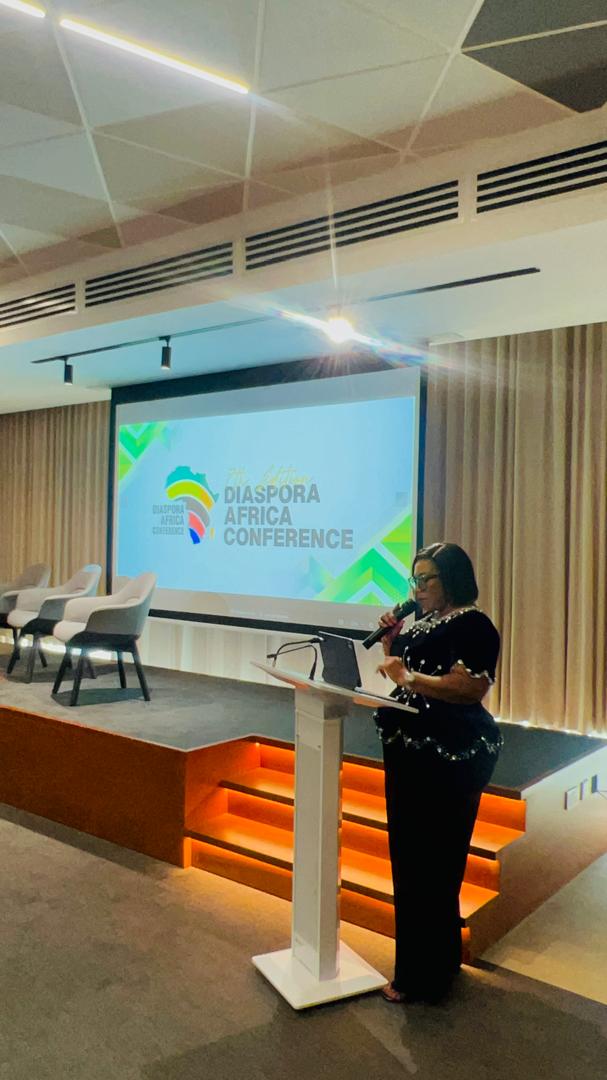
AICL GMD Maureen Tamuno calls for stronger diaspora investment in Africa through trust, transparency, skills transfer and sustainable partnerships


ANOH Gas inaugurates its HCDT Board, setting a new course for sustainable community development, transparency and accountability under the PIA
-
Politics3 years ago
13 Ondo Assembly Members Disown Endorsement of Aiyedatiwa
-
Politics3 years ago
APC Group, Ondo Govt, Quarrel Over Money for Endorsement
-

 Trending News5 years ago
Stop unsavoury, inciting statements – DSS warns
-

 Others5 years ago
Adron Homes Celebrates 10 Years Of Housing Excellence
-

 Humanity5 years ago
President Buhari Commiserates With Ambassador Maureen Tamuno Over The Loss Of Her Father
-

 Others7 years ago
EX- CUSTOMS BOSS, IBRAHIM MERA’S DWINDLING FAME
-

 Business2 years ago
Bigi Carbonated Soft Drinks Treats 40 Consumers to an Epic Easter Movie Hangout
-

 Business2 years ago
Wema Bank Shines at Global SME Finance Forum Conference Awards 2024 …Awarded: • SME Financier of the Year (Africa) • Platinum Award for Best Financier for Women Entrepreneurs (Africa)