
News
CAF Experts Begin AFCON 2027 Stadium Inspections


CAF experts start stadium inspections in Tanzania, Kenya and Uganda to ensure readiness for AFCON 2027 matches and training facilities

A team of technical experts from the Confederation of African Football has begun inspections of stadiums and training facilities in Tanzania, Uganda and Kenya ahead of the 2027 Africa Cup of Nations, branded PAMOJA 2027.
Also read: Nigeria Bow Out of AFCON After Penalty Loss to Morocco
The three East African nations won the hosting rights after a joint bid by Nigeria and Benin Republic was rejected.
The 2027 edition will be the last under CAF’s biennial schedule, with the tournament moving to a four-year cycle from 2028.
CAF President Patrice Motsepe is scheduled to visit Tanzania on Friday as part of the inspection tour, which will continue until February 17.
The delegation is reviewing venues for pitch quality, safety and security standards, and overall infrastructure readiness.
In Tanzania, the experts are visiting Benjamin Mkapa Stadium in Dar es Salaam, Samia Suluhu Stadium in Arusha, and Zanzibar’s Amaan Stadium and Fumba Stadium.
In Kenya, the inspections cover Nairobi’s Kasarani Stadium, Nyayo Stadium and Talanta Sports Stadium, along with training facilities at Ulinzi Sports Complex and the Kenya Academy of Sports.
In Uganda, Mandela National Stadium in Kampala, Entebbe’s facilities, and Hoima City Stadium are under review.
CAF described the inspections as part of a broader strategy to elevate football standards across the continent, ensuring world-class infrastructure, operations, and venue management for the tournament.
The confederation also highlighted its commitment to building a “stronger and more self-sustaining football ecosystem” through cooperation with governments and local organising committees.
Also read: Éric Chelle Guides Nigeria to AFCON Semi-Final Glory
The inspections are a crucial step as host nations intensify preparations for AFCON 2027, ensuring that both players and fans experience a tournament that meets international standards.


Danielle Adewusi is crowned Miss Universe Nigeria 2026 after defeating 19 delegates in Lagos, earning the chance to represent Nigeria in Mexico (more…)
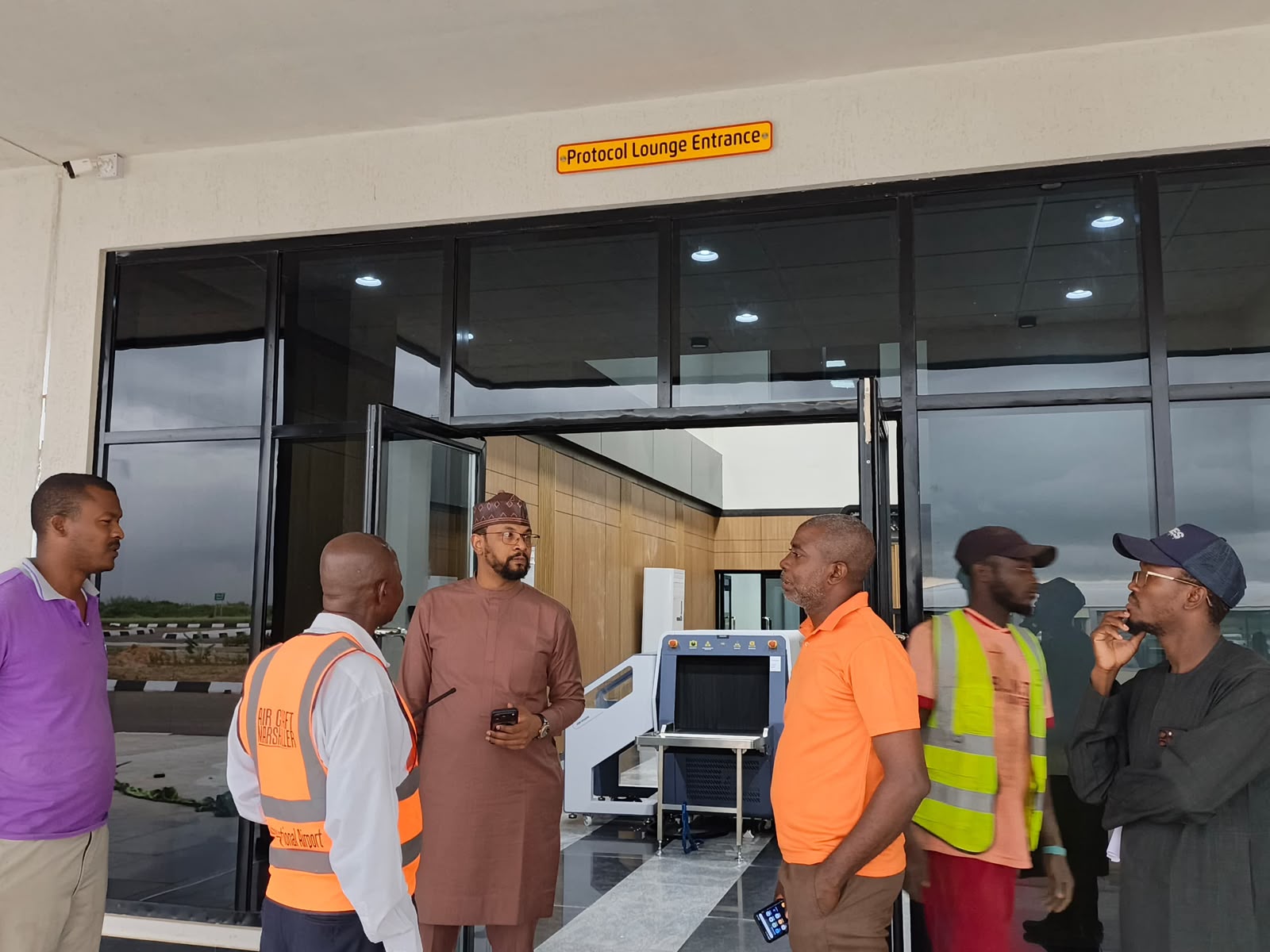
Gusau International Airport internet deployment begins ahead of October 1 commercial operations, with free connectivity planned for passengers and staff

-
Politics3 years ago
13 Ondo Assembly Members Disown Endorsement of Aiyedatiwa
-
Politics3 years ago
APC Group, Ondo Govt, Quarrel Over Money for Endorsement
-

 Trending News5 years ago
Stop unsavoury, inciting statements – DSS warns
-

 Others5 years ago
Adron Homes Celebrates 10 Years Of Housing Excellence
-

 Humanity5 years ago
President Buhari Commiserates With Ambassador Maureen Tamuno Over The Loss Of Her Father
-

 Others7 years ago
EX- CUSTOMS BOSS, IBRAHIM MERA’S DWINDLING FAME
-

 Business2 years ago
Bigi Carbonated Soft Drinks Treats 40 Consumers to an Epic Easter Movie Hangout
-

 Business2 years ago
Wema Bank Shines at Global SME Finance Forum Conference Awards 2024 …Awarded: • SME Financier of the Year (Africa) • Platinum Award for Best Financier for Women Entrepreneurs (Africa)